

For multi-cat households, whether the cats get along or not is probably one of the most pressing concerns.

Cats are inherently solitary animals. In the wild, they establish territories and complete their meals and rest essentially alone. Multiple cats living in the same space is not a natural state for them. This is why, in a multi-cat environment, "escape routes" and "places where they can break eye contact" are believed to be major factors influencing a cat's stress levels.
An experiment conducted by Desforges, Moesta & Farnworth (2016) offered a hint regarding this "tension." It was a study that observed how the behavior of 29 cats living in four communal rooms changed before and after the introduction of shelf-equipped screens (structures resembling partitions) at the facility.
During the period when the screens were present, a significant reduction in squabbles between cats after their morning meal was reported. Mealtimes are typically when cats' tension tends to be high, so the reduction in conflicts at that time suggests the effectiveness of creating "escape routes" and "places where they can break eye contact" within the space.
What's interesting is what happened after the screens were removed. The results showed that the frequency of squabbles increased beyond the levels seen before the screens were introduced. It's possible that losing a "safe space" they had once gained created even greater tension among the cats than before. The researchers interpreted this as a rebound effect due to frustration.
Taking away a space that has become "normal"

Perhaps some of you have had the experience of buying a scratching post, using it for a while, and then eventually discarding it. The reasons might vary: it didn't fit, it became tattered, or it no longer matched the room's aesthetic. However, from a cat's perspective, that spot might have already become "their own."
Desforges et al.'s research suggests that for cats, structures are not just "nice to have things," but rather become things they don't want to lose once they have them. Therefore, after removal, the situation doesn't return to its original state but rather worsens. I believe cats entrusted not only their physical presence but also a part of their sense of security to that space.
One of the difficulties of keeping furniture for a long time is the aesthetic issue. A tattered and well-used scratching post in the middle of a room can be a concern for those who value interior design. I imagine some people have chosen to dispose of items with the reasoning, "I know it's good for the cat, but the appearance..."
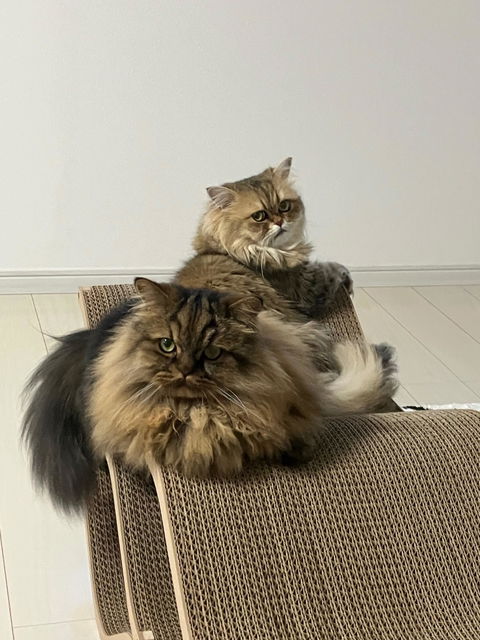
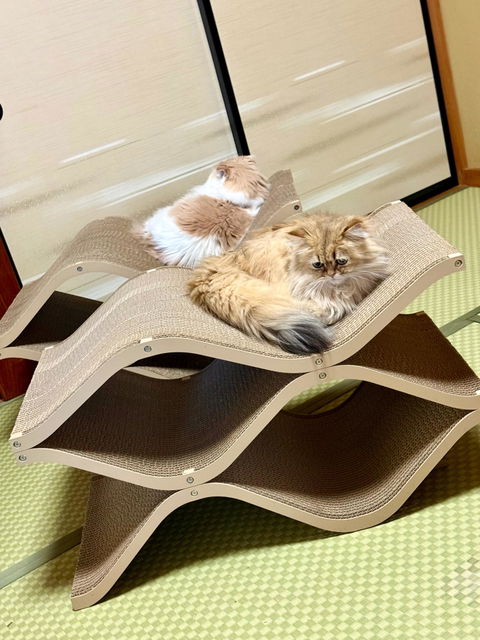
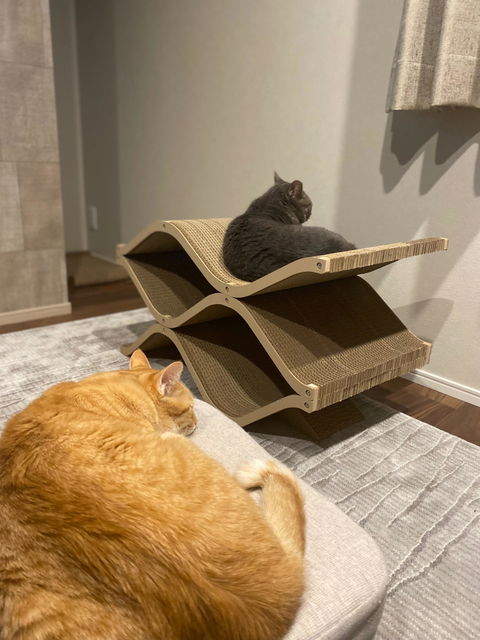
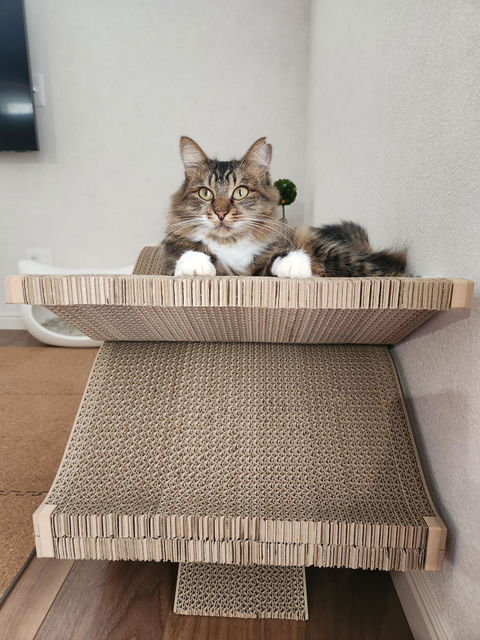
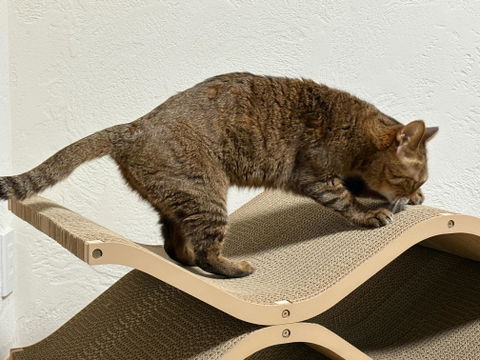
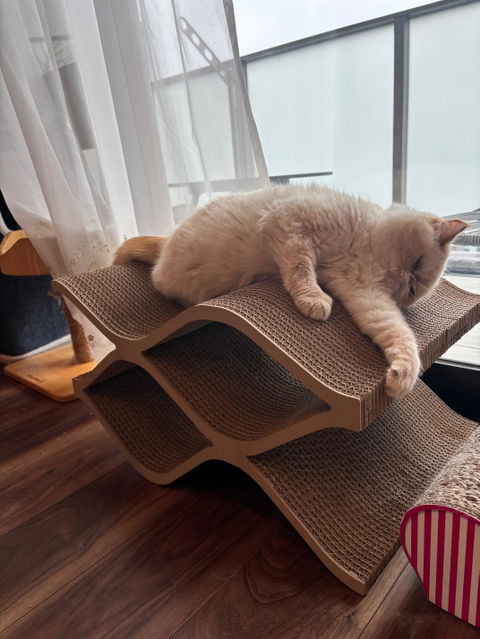
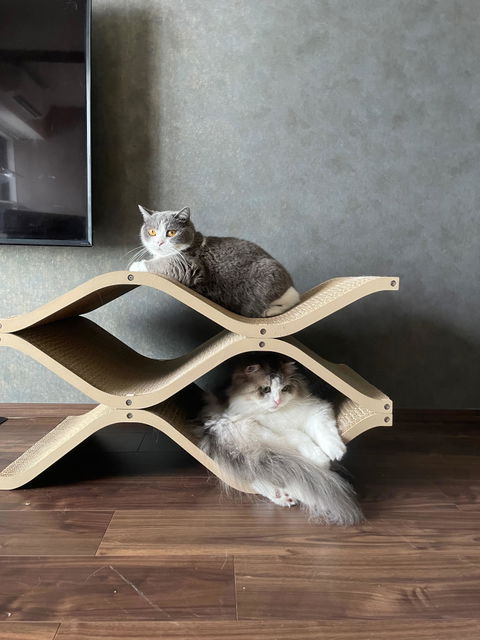
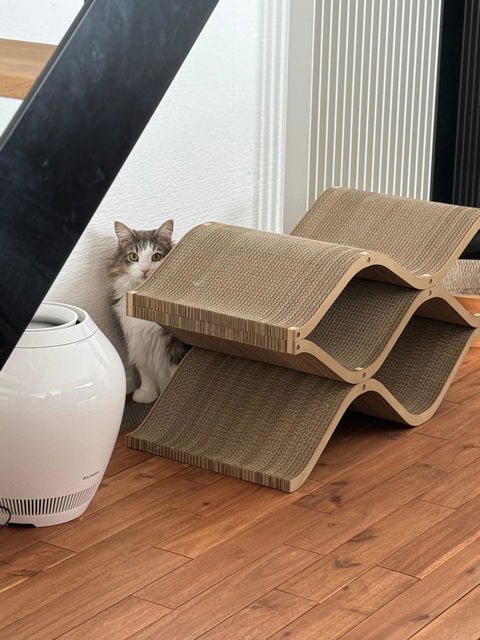
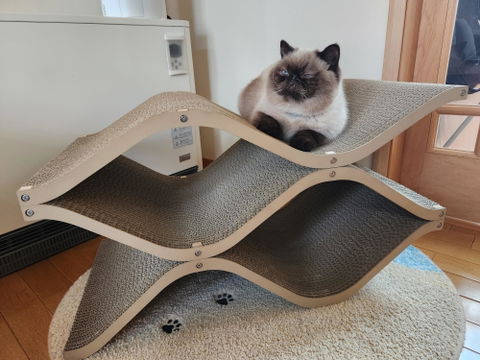
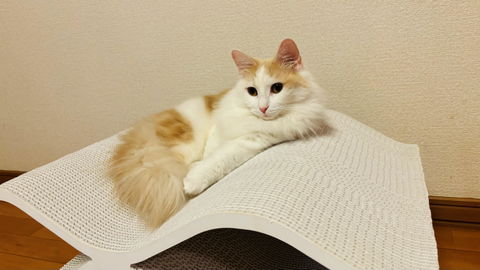
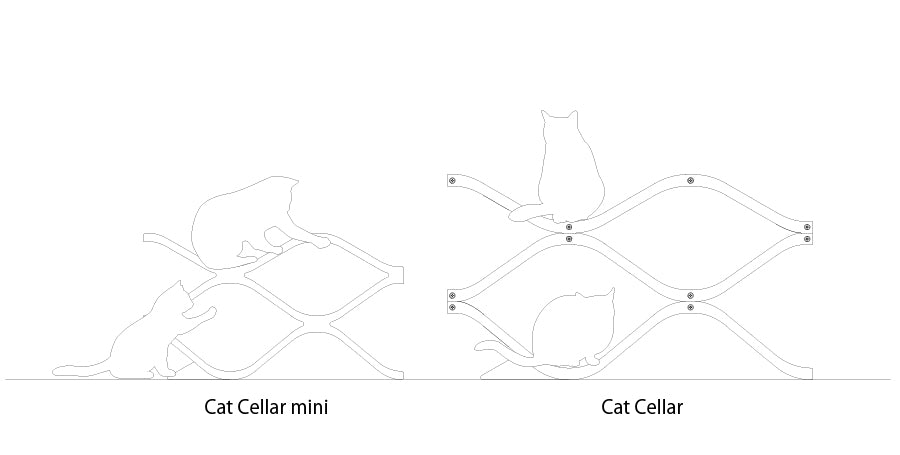
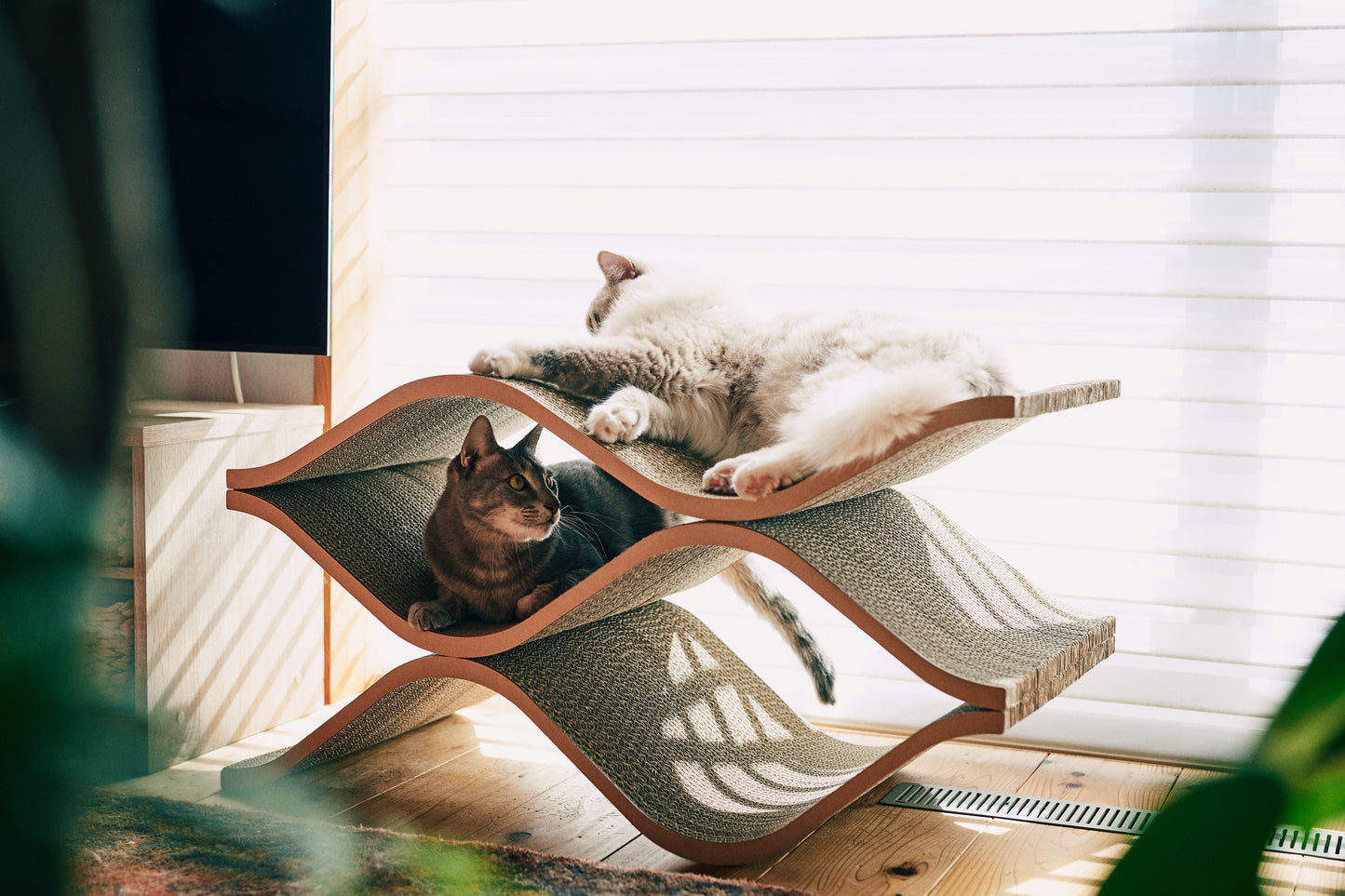
Whether multi-cat households have "escape routes" for each cat can directly impact the frequency of daily conflicts. Because each Cat Cellar is an independent space, even when multiple units are placed in the same room, cats are likely to perceive each as "their own."
Considering this, when choosing a piece of furniture for a cat, the meaning of the choice seems to change significantly between something "intended to be discarded eventually" and something "that can be kept indefinitely." Factors such as maintaining its appearance, material durability, and not being an eyesore when left out in the room. I believe whether a cat can continue to use it comfortably and for a long time is tied to these conditions.








![[10%off] Cat Cellar & Cat Cellar mini set](http://furnya.myshopify.com/cdn/shop/files/ChatGPT_Image_2026_7_14_10_47_09.png?v=1784117296&width=1445)
![[10%off] Cat Cellar & Cat Cellar mini set](http://furnya.myshopify.com/cdn/shop/files/ChatGPT_Image_2026_7_22_13_58_41.png?v=1784696340&width=1445)
![[10%off] Cat Cellar & Cat Cellar mini set](http://furnya.myshopify.com/cdn/shop/files/custome.png?v=1784660252&width=1445)