

Have you ever tried to deter your cat from scratching the sofa, perhaps by covering it with fabric or spraying it? We often hear people say that despite their efforts, their cat still finds somewhere else to scratch.
Cat scratching is not about "stopping" them, but about "redirecting" them. Research has shown that it might actually be more important what you redirect them to, rather than just where you redirect them.

When cats scratch, they're not just grooming their claws.
Cats have small glands near the base of their paw pads, which secrete a substance every time they scratch, leaving a scent on the scratched surface. Although invisible to us, for a cat, this marks the spot as "their territory." Combined with visible scratch marks, they are creating a map of their territory. That's what scratching really is for cats.
That's why cats return to places they've scratched before – because their scent remains there. No matter how thoroughly you clean the corner of your sofa, the cat still remembers "I marked this spot before." This is considered one of the reasons why they repeatedly scratch the same areas.

Research Reveals "Materials Cats Prefer"
So, where should we redirect cats to?
A study conducted in the United States (Zhang & McGlone, 2020) observed 36 cats living in actual homes. Scratching posts made of different materials were placed simultaneously, and the cats were observed via video for one week. The materials used were cardboard, rope, carpet, and sofa fabric.
The results showed a clear difference. Cardboard and rope were preferred over carpet and sofa fabric. In particular, the scratcher made of sofa fabric was hardly used. Cats scratch sofas, but they ignore scratchers made of similar material. This paradox highlights the true nature of cat scratching.
It is believed that cats seek "resistance when scratching." They want the feeling of their claws firmly gripping, the old layers of their claws shedding, and their paw pads being pressed. Cardboard and rope are materials that easily provide this sensation. Fluffy carpets and sofa fabrics do not offer this sensation, which is why they are thought not to be used.

If cats prefer cardboard and rope, then those are the materials you should place in your living room. However, typical scratching posts often have a distinct "scratcher" appearance. It's perfectly understandable to want to relegate them to a corner of the hallway. But the further away they are from the living room where your cat spends a lot of time, the less likely they are to be used. As a result, your cat will revert to scratching the sofa.
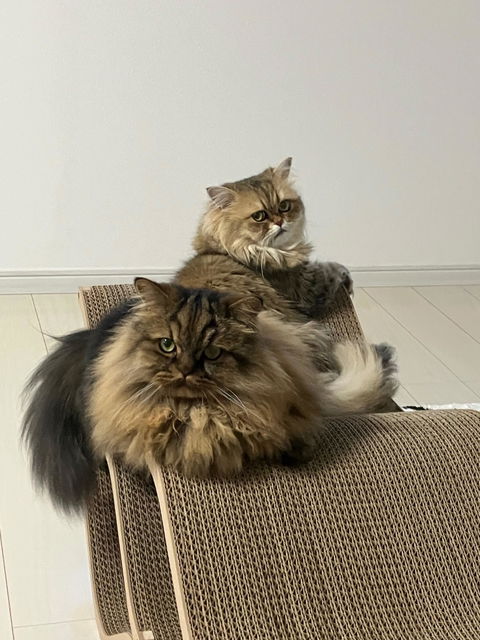
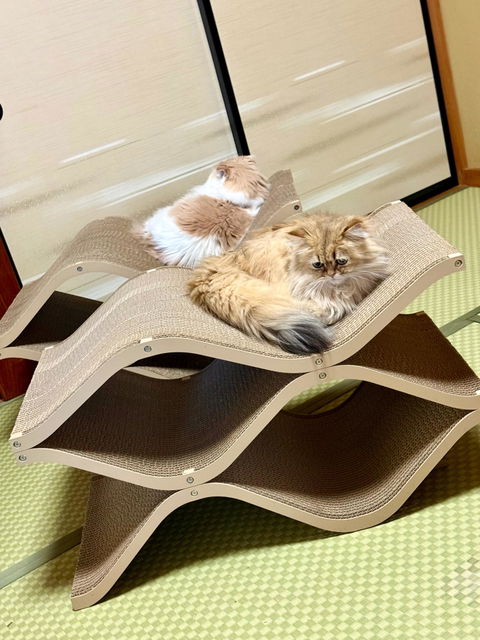
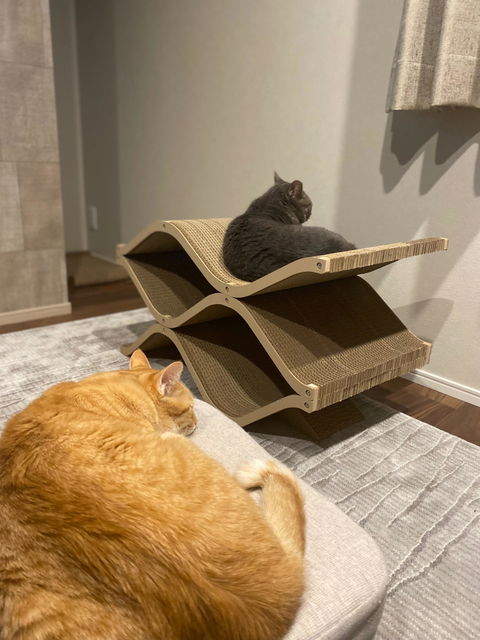
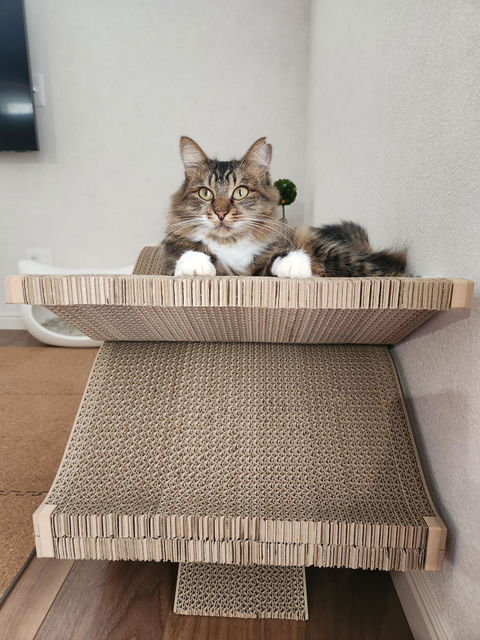
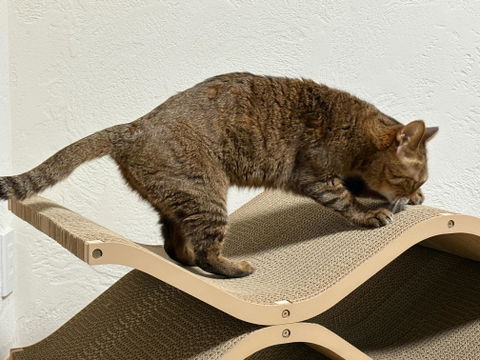
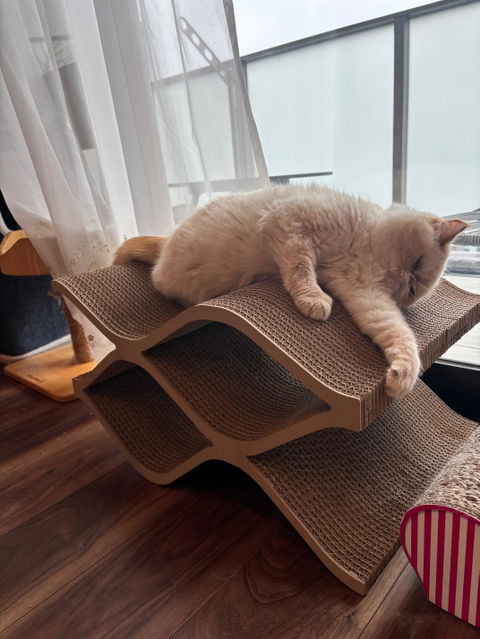
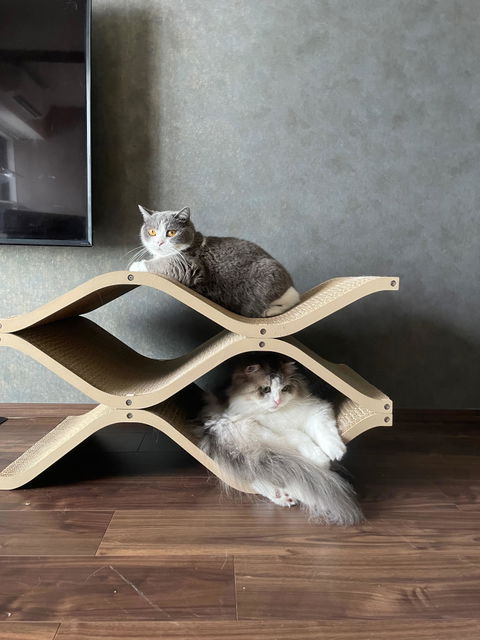
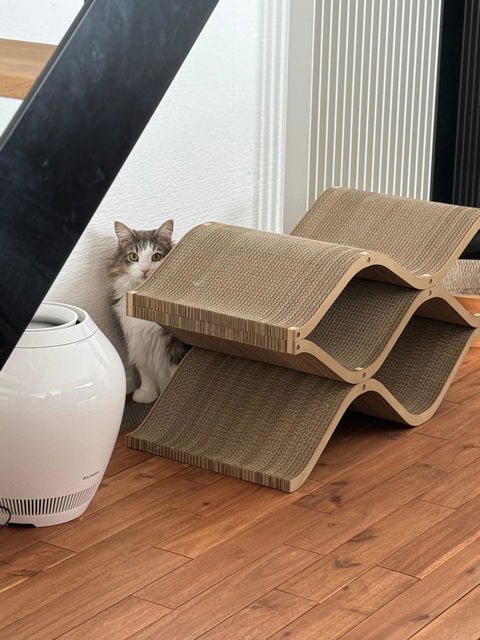
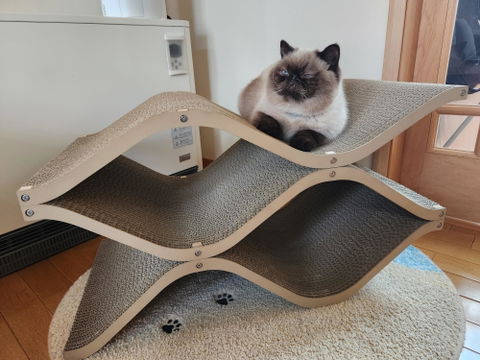
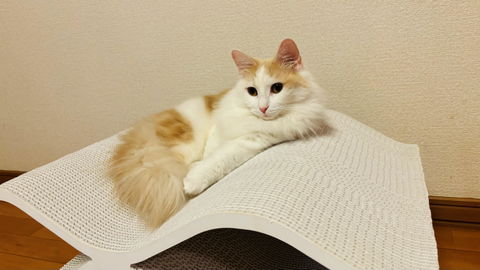
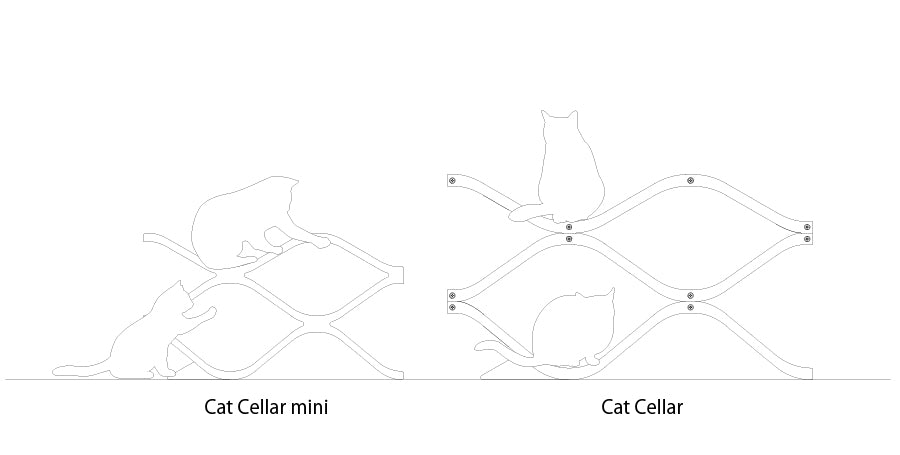
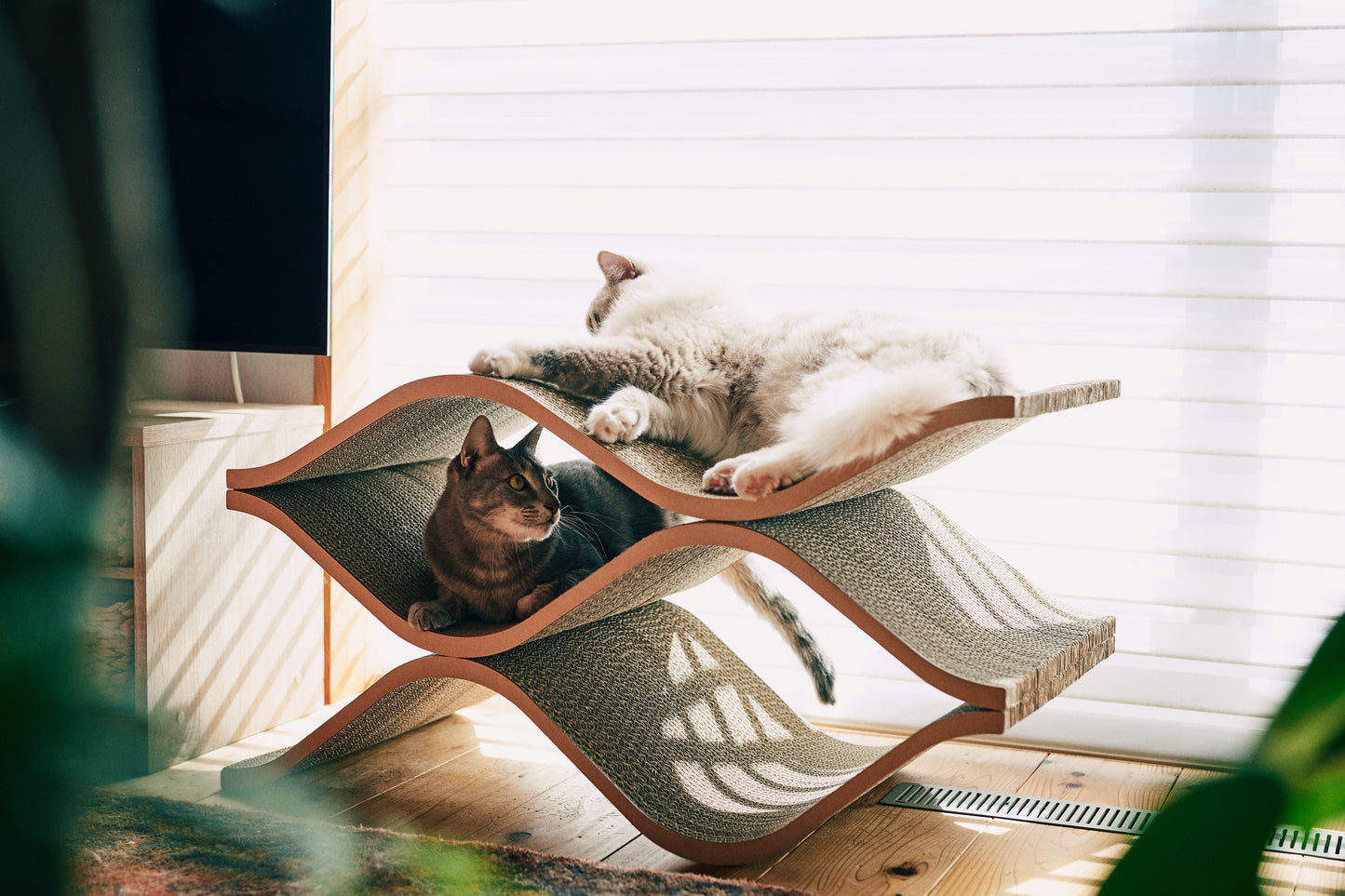
Cat Cellar is cat furniture made from dozens of layers of reinforced cardboard. We've transformed a material cats love into a form that fits into home decor. Its curved structure, inspired by a wine cellar, functions both as a scratcher and a hideout. It's designed to naturally attract cats and become a place they naturally use.
Before you consider solutions for your sofa, we hope you'll first check if there's "something in the room that your cat will want to use."
*Reference: Zhang, L., & McGlone, J. J. Scratcher preferences of adult in-home cats and effects of olfactory supplements on cat scratching. Applied Animal Behaviour Science, 2020.







![[10%off] Cat Cellar & Cat Cellar mini set](http://furnya.myshopify.com/cdn/shop/files/ChatGPT_Image_2026_7_14_10_47_09.png?v=1784117296&width=1445)
![[10%off] Cat Cellar & Cat Cellar mini set](http://furnya.myshopify.com/cdn/shop/files/ChatGPT_Image_2026_7_22_13_58_41.png?v=1784696340&width=1445)
![[10%off] Cat Cellar & Cat Cellar mini set](http://furnya.myshopify.com/cdn/shop/files/custome.png?v=1784660252&width=1445)