叱るより猫の"OKゾーン"を家具で作る

Create an "OK zone" for your cat with furniture instead of scolding them.

Are you a little tired of constantly shouting "no" every time your cat scratches the sofa, climbs on the table, or chews on houseplants?

Tomoko Kanemaki, a first-class architect and author of "Building a Home to Live with Cats," offers a different approach to these problems than simply "scolding." Her idea is to visualize "OK zones" and "NG zones" within the home through spatial design, rather than trying to make cats stop certain behaviors. This way, things that are hard to convey through scolding can be naturally communicated through structural elements like furniture arrangement and materials. If we assume that the cause of a cat's behavior lies in its "environment" and "people," then it is the home, not the cat, that needs to change.

What is striking about this book is its repeated emphasis on how different "human perspective" and "cat perspective" are. What humans find "stylish" in a room is not necessarily comfortable for cats. Cats love high places, feel secure in narrow spaces, and use their sight and smell very differently from humans. Therefore, the places where humans don't want their cats to scratch often differ from where cats want to scratch. Trying to resolve this discrepancy by scolding each time won't change a cat's instincts. Instead, the book's idea starts from clearly designating "this is an OK place" within the space, in line with a cat's habits.

The author summarizes the keywords for places cats dislike as "noisy, dirty, and hot." Conversely, quiet, clean, and cool places can become "potential OK zones" for cats. Furthermore, the book states that using vertical space three-dimensionally contributes more to a cat's activity level and satisfaction than simply expanding floor area. Even in homes with limited floor space, such as apartments, the height and arrangement of furniture can expand a cat's world, which is a practical suggestion from an architect's perspective.

Another core point of this book is "facing the issue" rather than "scolding." The author repeatedly states that the cause of a cat's behavior lies in its "environment" and "people." In other words, instead of blaming the cat for troublesome behavior, the approach is that the living space and the owner have room for adjustment. Many cats who are forbidden from scratching do not stop scratching; they simply find another spot. If the sofa is off-limits, they'll find the carpet; if the carpet is off-limits, they'll find a pillar. The more NG zones are created, the more the cat's own space becomes restricted. Conversely, if a clear OK zone is established in the house, the cat will gravitate towards it. The number of times the cat chooses the OK zone increases, rather than the number of times it gets scolded. This is what I understand as "communicating through structure" in this book.

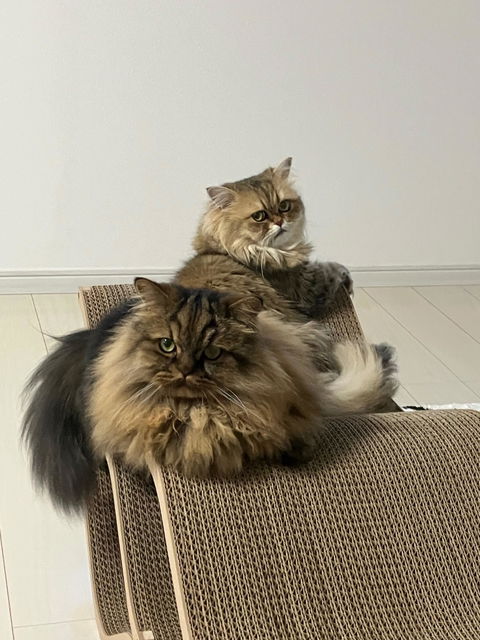
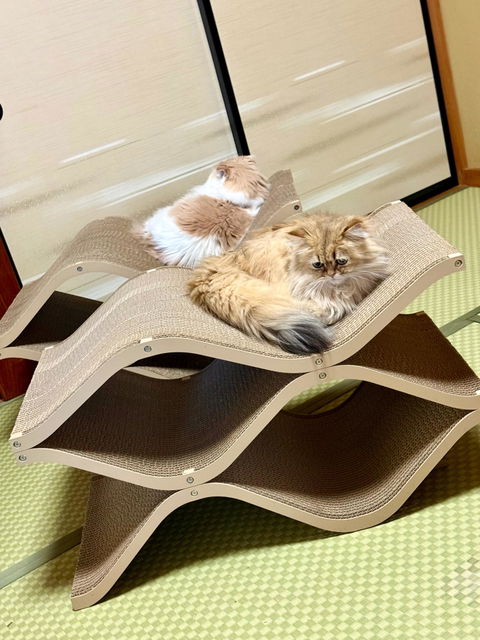
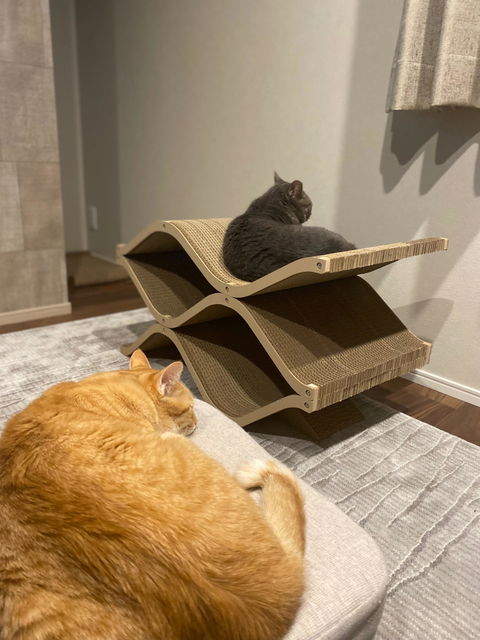
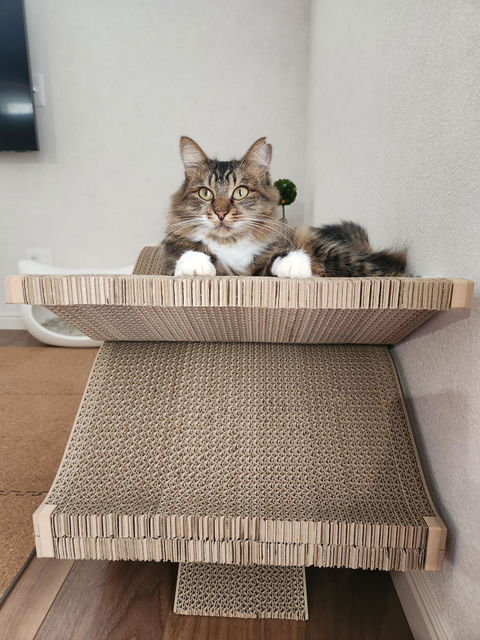
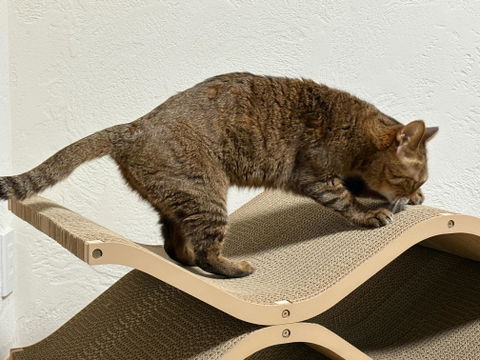
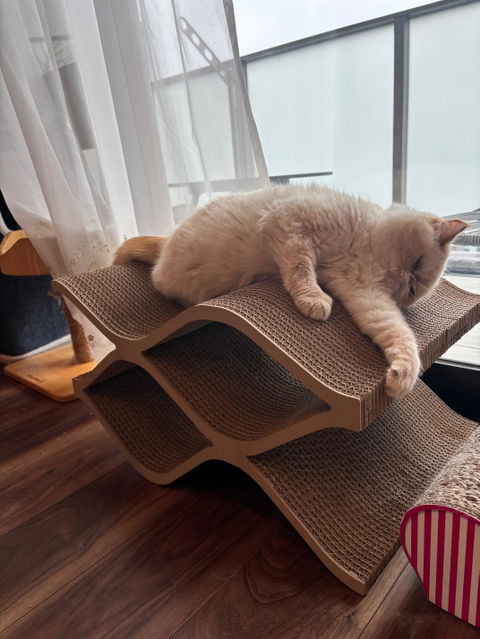
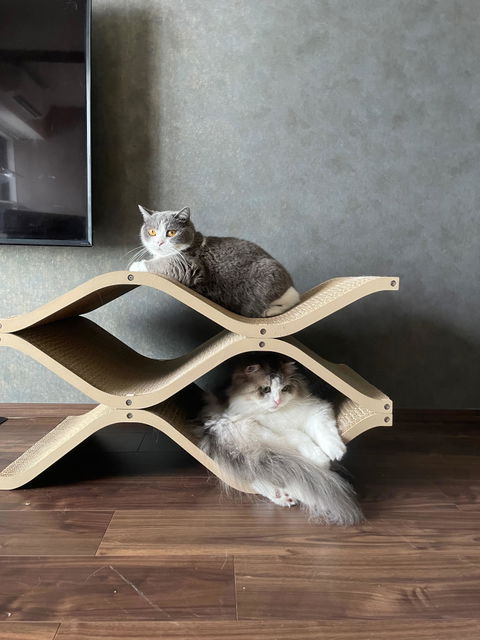
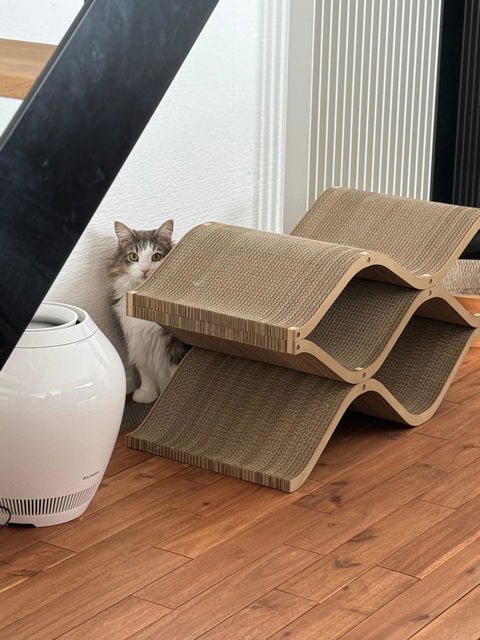
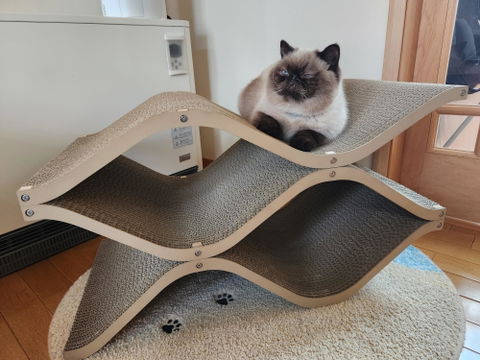
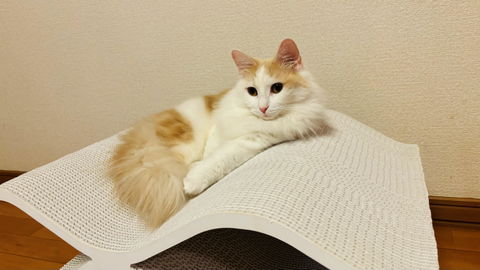
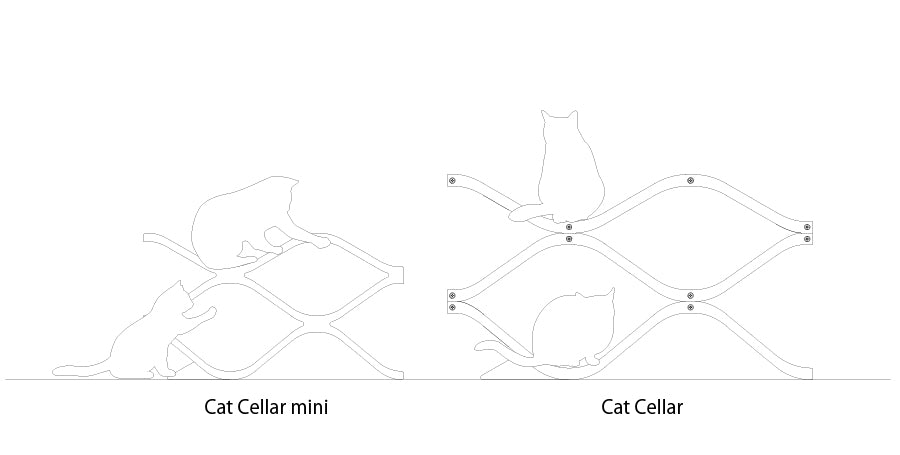
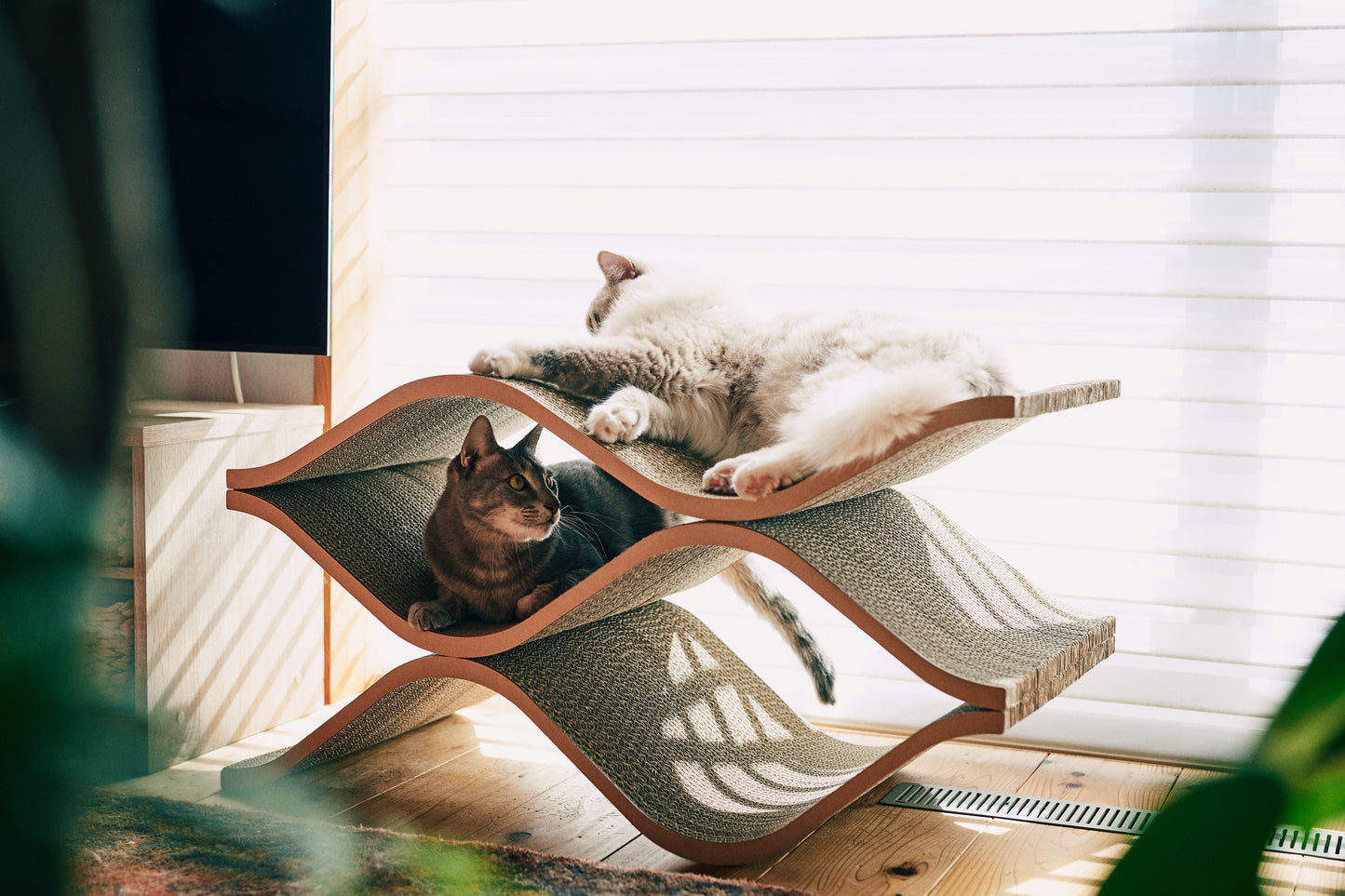
Cat Cellar, with its curved form that blends into the living room, functions as a scratching post, a hiding place, and a low observation deck, designed under the supervision of veterinarians and architects. It is designed to be a piece of furniture that communicates your desire for them to "scratch here instead of the sofa" or "climb here instead of the table," not through your voice, but through its form.

The idea of "creating OK zones in the house" might be a much shorter path than trying to change the cat. We hope you will consider welcoming Cat Cellar into your living room not as giving up on your interior design or making your cat endure discomfort, but as one option to arrange a comfortable space for both of you.

If you have any questions about how to use it, please feel free to send us a message via our official LINE account. Our customer service staff will be happy to assist you.

Click here for the official LINE account

Return to blog

※Reference: Tomoko Kanemaki, "Building a Home to Live with Cats," Chapter 1

Back to blog

CatSeller is chosen by many customers.