

新しく迎えた子猫がソファや壁紙の角で爪をとぎ始めてしまうことはないでしょうか?叱っても直りにくいのは、子猫にとって爪とぎが「教えられるもの」というより「見て覚えるもの」だからのようなのです。

1969年にScience誌で報告された古典的な研究があります。Chesler博士は、母猫がレバーを押して餌を得る様子を見て育った子猫と、知らない大人の猫の動作だけを見せられた子猫、そして自力で試行錯誤するしかなかった子猫の三つのグループを比較しました。
結果ははっきりしていて、母猫の様子を見ていた子猫が圧倒的に早くその動作を覚え、自力で覚えるしかなかった子猫は最後まで習得しなかったそうです。
続く研究では、離乳期の子猫は母猫が好んで食べているものを真似する傾向が強いことも知られていて、たとえそれが本来は不向きな食材であっても選び取ってしまうことが報告されています。子猫にとって「何をしていいか」「どこですればいいか」という基本ルールは、近くにいる猫や家族の振る舞いから取り込まれる情報の一部だと考えられています。

爪とぎについても同じ仕組みが働いていると言えそうです。生まれたばかりの子猫は爪をうまく引っ込めることができず、5週齢を過ぎたあたりからようやく正しい爪とぎ動作ができるようになるとされています。ちょうどこの時期に「どこで」「どんな手応えの素材で」爪を立てたかという体験が、その猫の生涯にわたる習慣の土台になっていきます。イタリアの飼い主向けアンケート研究でも、成猫になってからの爪とぎ場所の好みが、子猫期の早い時期の体験と密接に結びついていることが報告されています。
家にやってきたばかりの子猫が真っ先に出会った「縦に伸びて爪を立てやすい何か」がソファの脚だった場合、ソファの脚はその子にとって正解の場所として刷り込まれてしまうわけです。爪を研いだ場所には肉球の指間腺から微量のフェロモンが残るため、その場所が「自分のもの」というしるしと結びつきやすいことも知られています。最初に体に染みついた場所には香りも蓄積していくので、後からどれだけ立派な爪とぎを増やしても、最初の刷り込みに勝つのは想像以上に骨が折れる、というのはこういう理由なのかもしれません。
実際、迎えたばかりの子猫は最初の数日のうちに家中の縦面をひととおり試して回ることが多く、その中で何が習慣として定着するかは、爪が引っかかる手応えと、何度も戻ってこられる位置にあるかどうかで決まっていくようです。だからこそ、最初に出会わせる場所をこちらでデザインしておく意味があるのではないかと考えています。

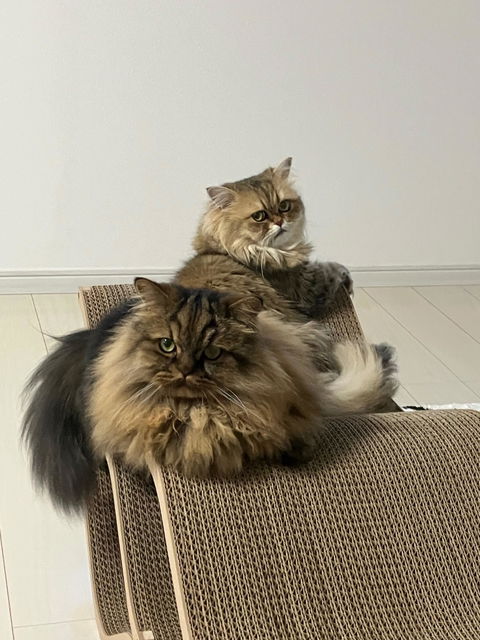
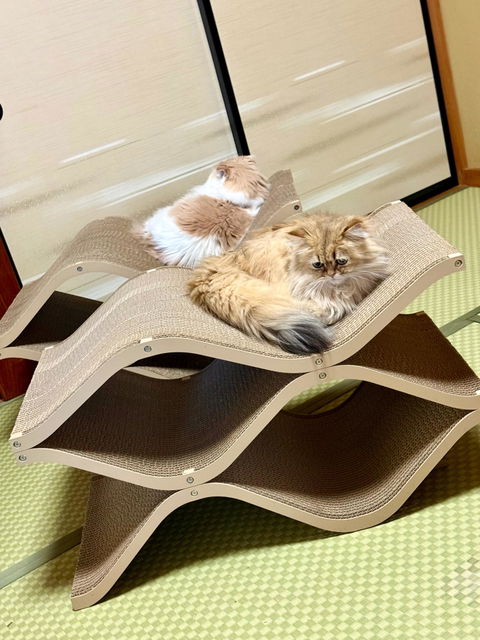
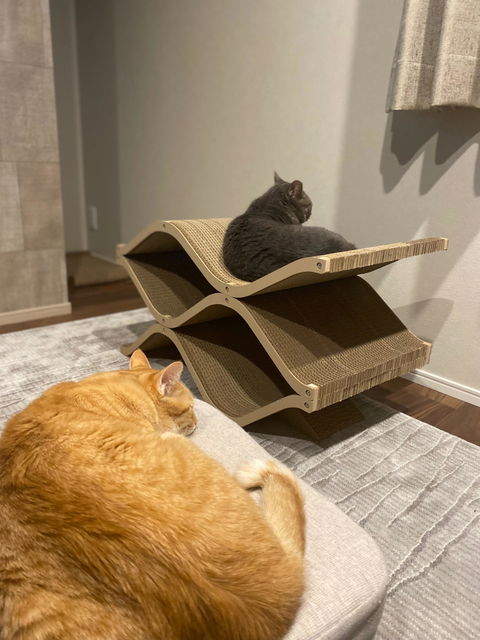
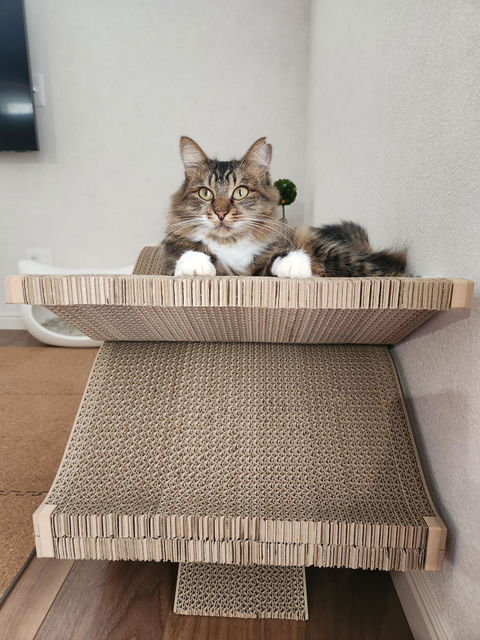
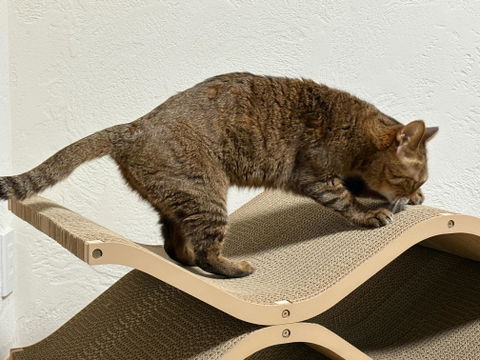
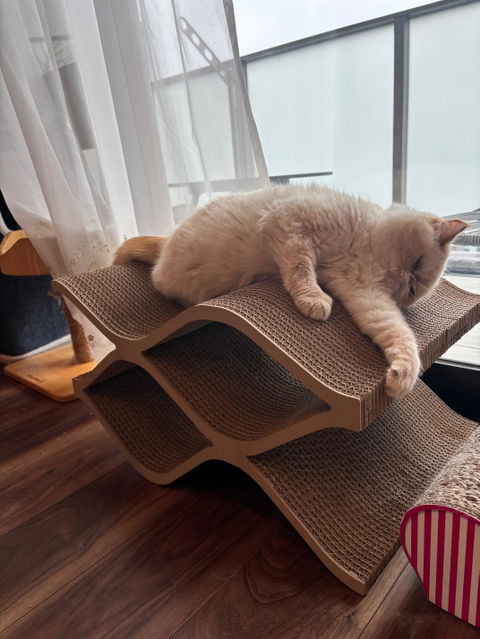
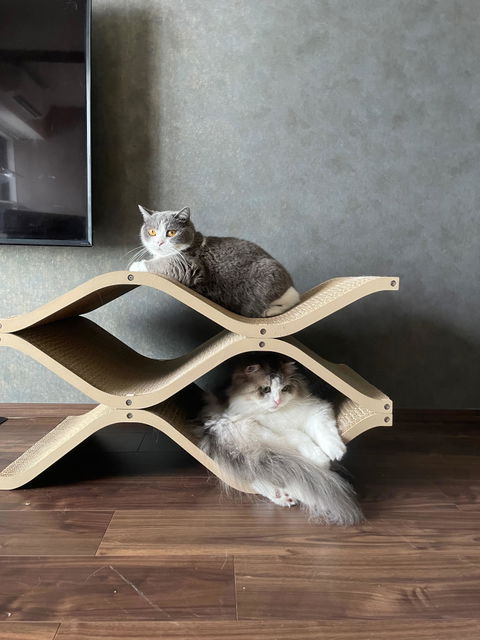
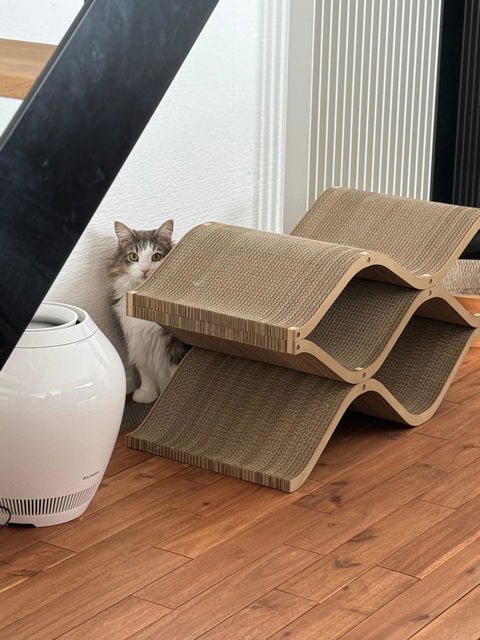
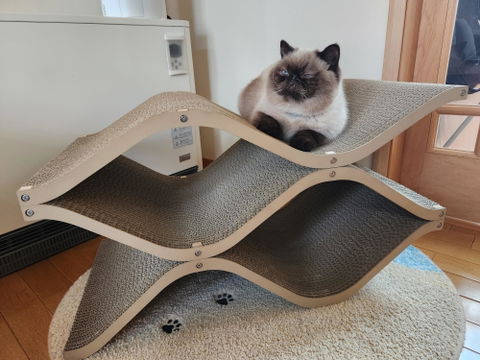
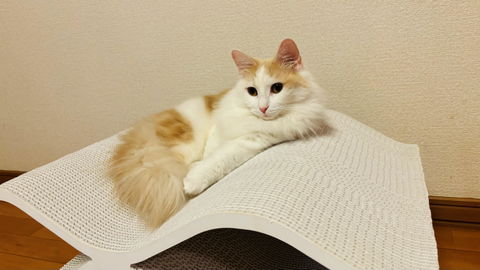
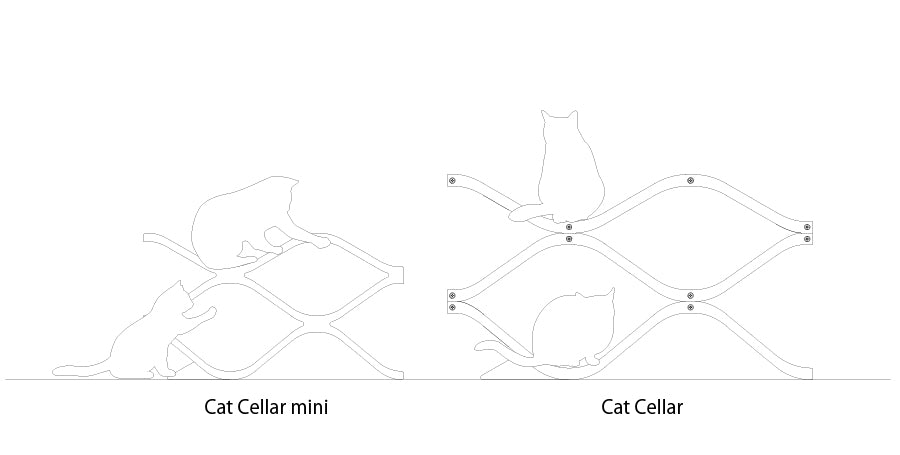
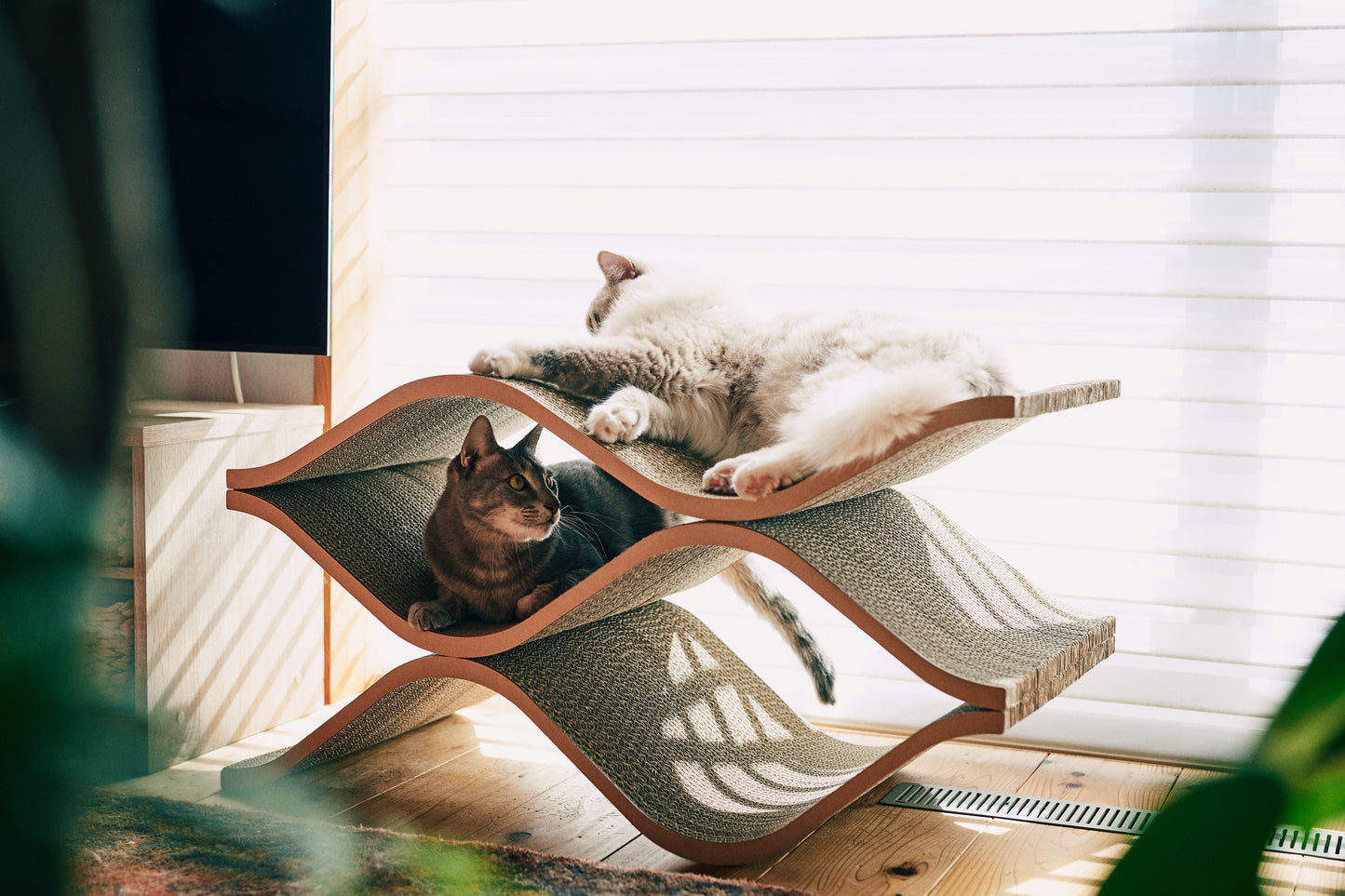
furnyaのCat Cellarは、リビングの中心に置いていただいても景観を損なわないインテリア家具として設計しているので、新しい猫を迎えるそのタイミングから自然に生活空間の一部にしていただけます。家族が過ごす場所の真ん中にあれば、子猫の視界に一日に何度も入り、関わる回数が無理なく増えていきます。S字に湾曲したダンボール構造には、垂直に近い面から少し倒れた面まで複数の角度があり、子猫が自分の体の大きさに合わせて気持ちのいい位置を選び取れるようになっています。素材は強化ダンボールで、爪が引っかかる適度な手応えがあり、爪が削れる感覚や音が子猫にとって満足度の高いフィードバックになるのも特徴です。
設置場所としておすすめは、子猫が日常的に通る動線の上です。リビングの一角や、家族が集まる場所の近くに置いていただくと、子猫が自分のペースで近づいて爪を立てる場面が自然と増えていきます。獣医師と建築家が共同で監修した製品ですので、家具としての佇まいと、猫の習性に応える機能性の両方を、無理なく両立する設計を目指しています。少し小ぶりなお部屋にはCat Cellar miniもご用意していますので、設置スペースに合わせてお選びいただけます。

子猫の爪とぎ癖を後から直すのは骨が折れますが、最初から正しい場所を用意しておくのは、それほど難しいことではないようです。Cat Cellarは爪とぎ機能を持つインテリア家具として、新しく迎えた猫の暮らしの一番最初の景色の中に、そっと混ざっていける道具です。家族の生活動線の真ん中にあるからこそ、子猫が自然と「ここで爪を立てればいい」と覚えてくれる、最初の数週間にこそ役に立つ家具として、選択肢の一つに加えていただけますと幸いです。
使い方に関して質問がある方はお気軽に公式LINEからメッセージ頂けますと幸いです。お客様担当のスタッフが回答させて頂きます。
※参考:Chesler, P. (1969). Maternal Influence in Learning by Observation in Kittens. Science, 166(3907), 901-903. DOI: 10.1126/science.166.3907.901 / Zito, A. et al. (2024). Scratching behaviour and its features: a questionnaire-based study in an Italian sample of domestic cats. Journal of Feline Medicine and Surgery.







![[10%off] Cat Cellar & Cat Cellar mini set](http://furnya.myshopify.com/cdn/shop/files/ChatGPT_Image_2026_7_14_10_47_09.png?v=1784117296&width=1445)
![[10%off] Cat Cellar & Cat Cellar mini set](http://furnya.myshopify.com/cdn/shop/files/ChatGPT_Image_2026_7_22_13_58_41.png?v=1784696340&width=1445)
![[10%off] Cat Cellar & Cat Cellar mini set](http://furnya.myshopify.com/cdn/shop/files/custome.png?v=1784660252&width=1445)