

家を出るとき、玄関までついてきた猫を見ながらドアを閉める。そんな朝を、猫と暮らしている方なら一度は経験されているのではないでしょうか。

共働きやお仕事の出張で、どうしても猫を一人にする時間が長くなる。「ごめんね」と声をかけて家を出るたびに、小さな後ろめたさが残る。そんな感覚を抱えている方は、きっと少なくないと思います。実はこの「留守番」というテーマ、近年は猫の行動科学の分野でも少しずつ研究が進んでいます。
2020年に学術誌PLOS ONEに掲載されたブラジルの研究チームによる調査では、対象となった223頭の飼い猫のうち、およそ13%が何らかの「分離関連問題」と呼ばれる状態にあったと報告されています。飼い主の不在中に物を壊してしまう、いつもより激しく鳴く、トイレ以外で排尿してしまう、元気がなくなる。そんな行動が、留守番と結びつく形で観察されたそうです。
ただ、この研究で注目したいのはその割合よりも、関連要因として挙げられた条件のほうかもしれません。研究チームが指摘しているのは、おもちゃや遊べるものへのアクセスがないこと、家に他の動物がいないこと、そして週5〜7回、1日2〜6時間以上の留守番が常態化していること。要するに、留守番そのものより、その時間をどんな環境で過ごしているかが、猫のコンディションに静かな影響を与えている可能性があるということです。

ここでもうひとつ参考になるのが、2022年にApplied Animal Behaviour Science誌に掲載された、HouserとVitaleによるレビュー論文です。保護猫の福祉に関する研究を横断的に整理したもので、ストレス軽減と関連性が高い環境要素として「隠れる場所」「高さのある止まり木」「遊び道具」の3つを挙げています。保護施設と家庭は事情が違いますが、長時間の留守番をする家庭猫にも、この発想は十分応用できそうです。
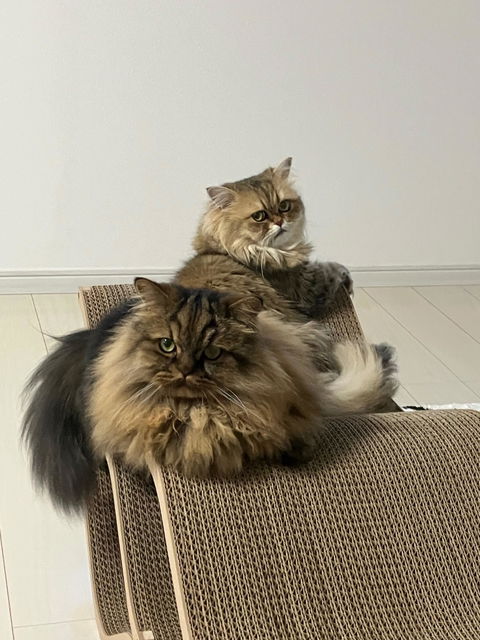
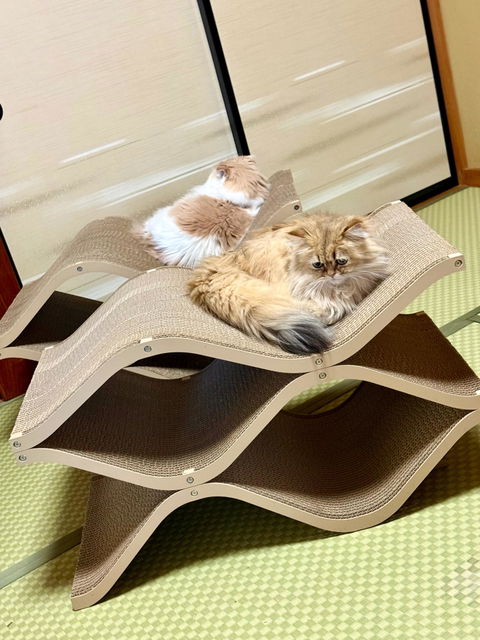
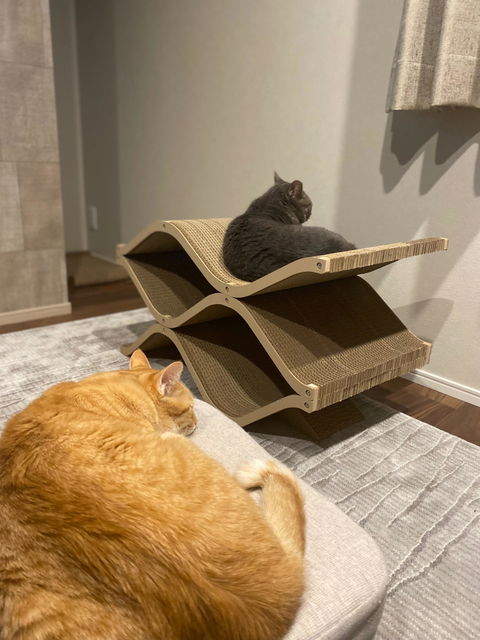
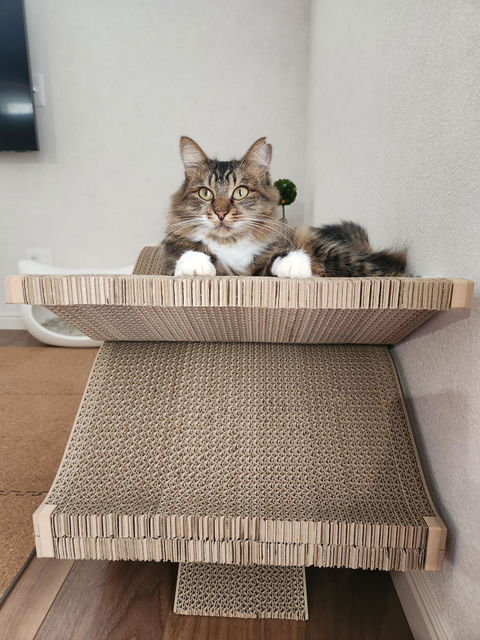
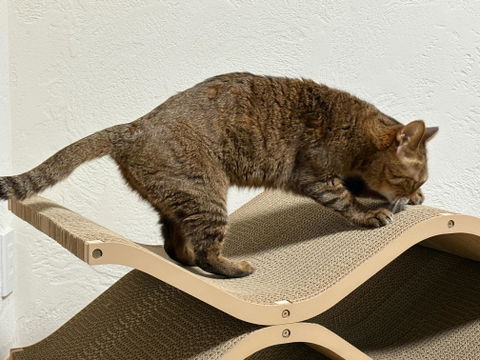
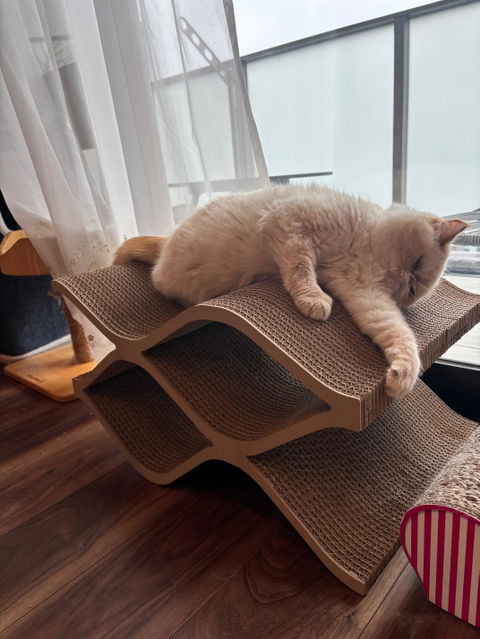
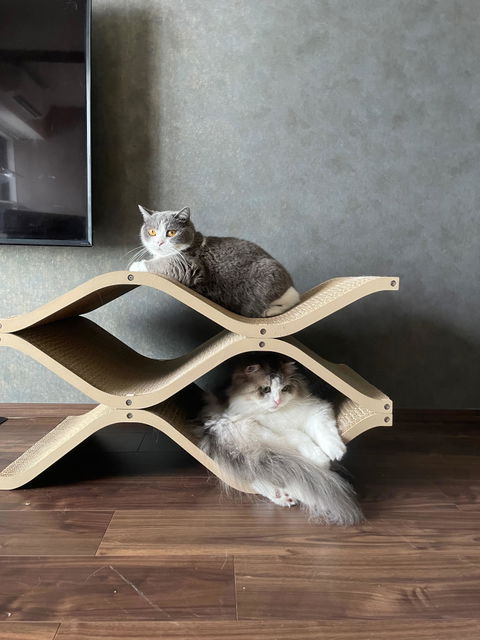
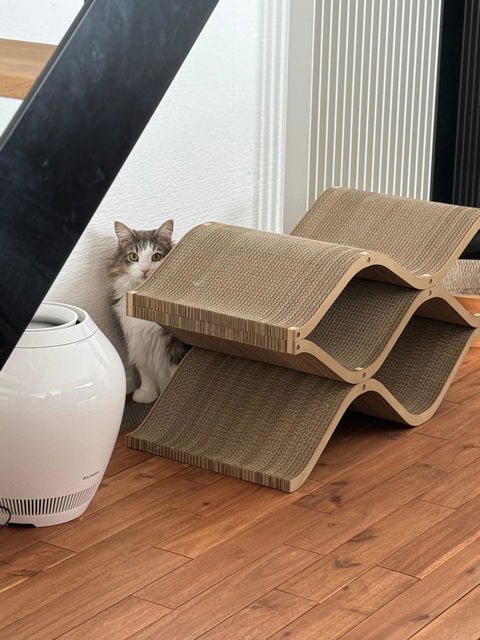
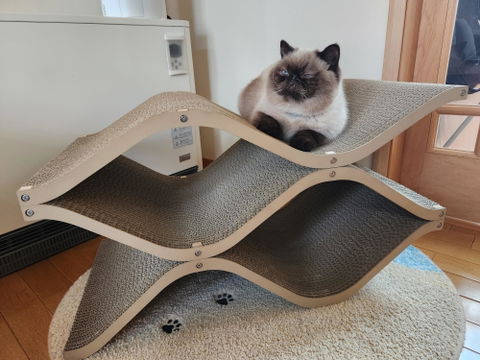
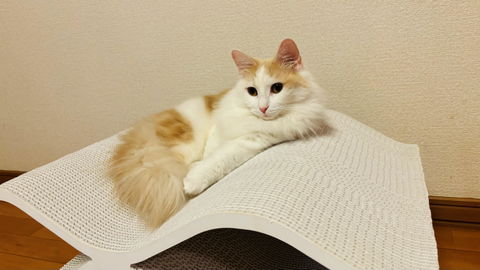
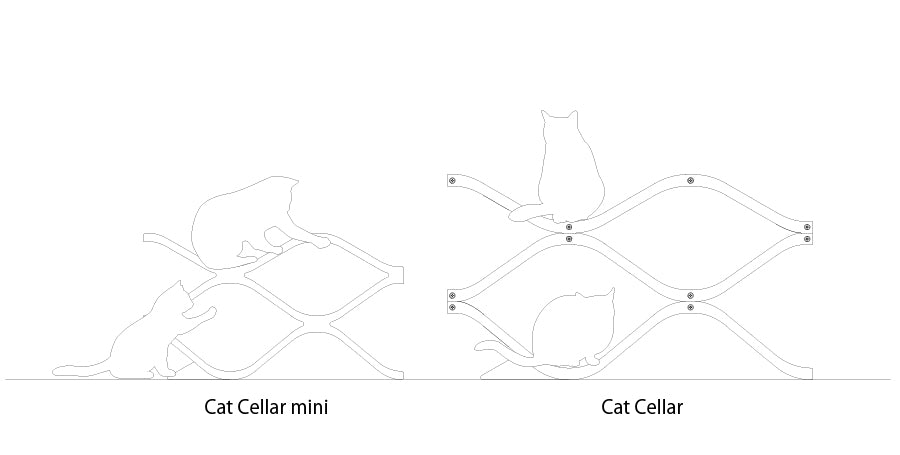
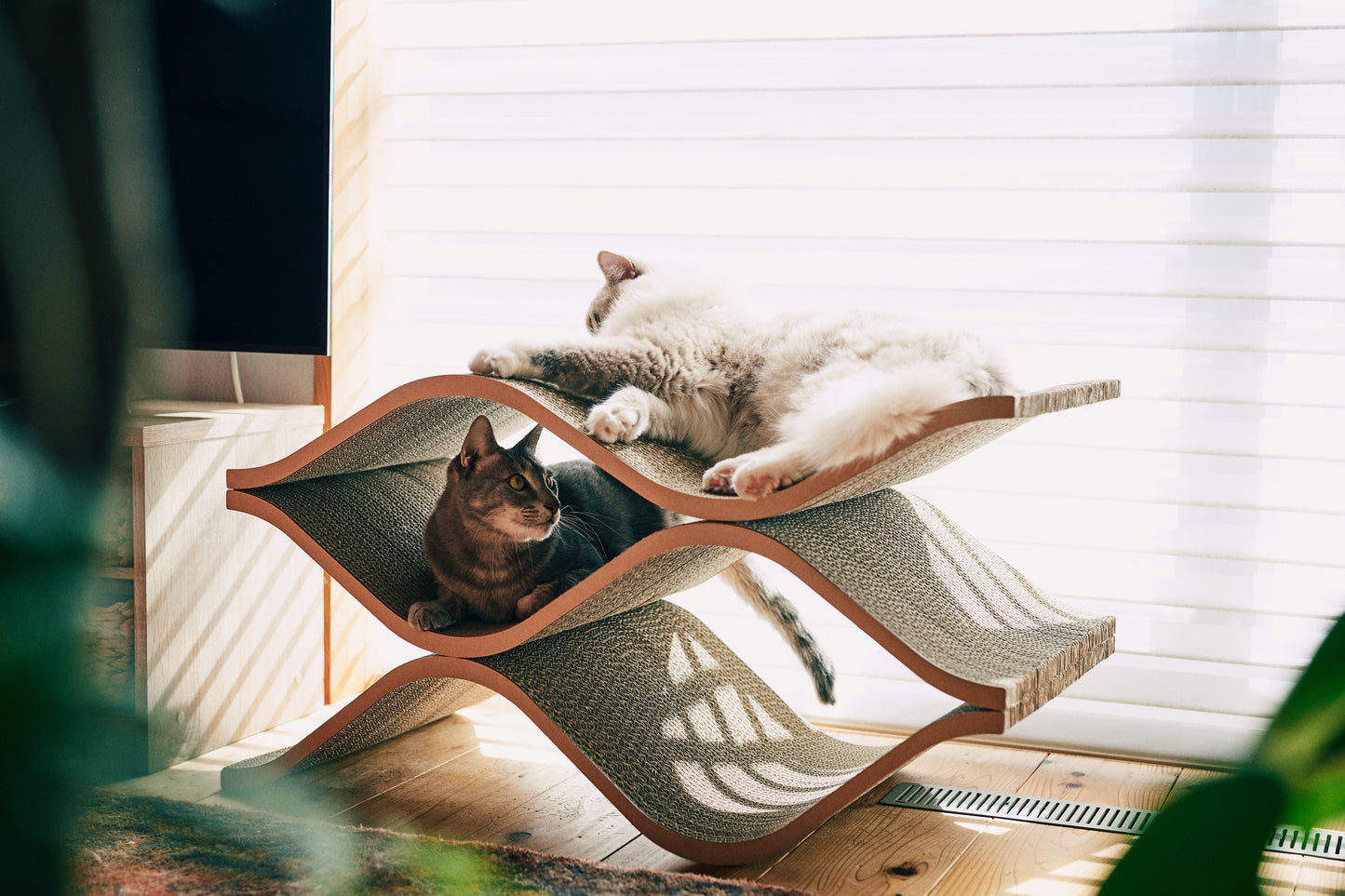
ここで大切になるのが、ひとつの家具がいくつの過ごし方を提供できるか、という視点ではないかと考えています。Cat Cellarは、爪をとぎたいときには爪とぎとして使え、複数の穴のうち好きな入り口を選んで中に入ることもできます。中で丸くなって眠る子もいれば、上に乗って外を眺めたり、留守番の数時間のあいだに、ひとつの家具が何通りもの居場所として機能してくれます。

Cat Cellarは完全に閉じこもれる密室でもなく、剥き出しのオープンスペースでもない。外の物音や日中の人の気配を、ほどよく感じながら隠れていられる。完全に遮断されるより、薄い壁越しの安心感のほうが、猫にとっては落ち着く時間になるのかもしれません。
家を空けているあいだの数時間に、猫自身が「今日はここ」「今はあっち」と気分で居場所を選べる状態を整えておくことで、お互いにとって気持ちのいい関係につながると思います。Cat Cellarは、お部屋に置いてもインテリアを崩さず、爪とぎと隠れ家と休憩場所を一台で兼ねるという点では、長く一緒に暮らすパートナーとして、置いて損のない選択肢になるはずです。
使い方に関して質問がある方はお気軽に公式LINEからメッセージ頂けますと幸いです。お客様担当のスタッフが回答させて頂きます。
※参考:de Souza Machado, D. et al. Identification of separation-related problems in domestic cats: A questionnaire survey. PLOS ONE, 2020. / Houser, B. & Vitale, K. R. Increasing shelter cat welfare through enrichment: A review. Applied Animal Behaviour Science, 2022.







![[10%off] Cat Cellar & Cat Cellar mini set](http://furnya.myshopify.com/cdn/shop/files/ChatGPT_Image_2026_7_14_10_47_09.png?v=1784117296&width=1445)
![[10%off] Cat Cellar & Cat Cellar mini set](http://furnya.myshopify.com/cdn/shop/files/ChatGPT_Image_2026_7_22_13_58_41.png?v=1784696340&width=1445)
![[10%off] Cat Cellar & Cat Cellar mini set](http://furnya.myshopify.com/cdn/shop/files/custome.png?v=1784660252&width=1445)