猫の居場所、千年前の宮中にもあった

Cats also had a place in the imperial court a thousand years ago.

The oldest surviving "cat-keeping diary" in Japan dates back more than 1,100 years. It seems the custom of creating a space for cats within the home has been around much longer than we might imagine.

There is a record called "Uda Tenno Goki" (Emperor Uda's Diary). It is a diary written by the 59th Emperor Uda, detailing the fur color and hunting prowess of a black cat he received from his father, Emperor Koko. It is known as the oldest "cat-keeping diary" in Japan, dating back to around 887 in the Heian period. It even includes specific descriptions such as "It is black, unlike other cats, and an excellent hunter." About 100 years later, in 999, the 66th Emperor Ichijo named a kitten born in the palace "Myobu no Otodo" and bestowed upon it the fifth court rank, treating it with great care in the palace, as recorded in "The Pillow Book" and "Shoyuki." The feeling of welcoming cats as "residents of the home" seems to have existed in this country's daily life for at least a thousand years.

In the Edo period, cats became even more familiar. Ukiyo-e artists, including Utagawa Kuniyoshi, left countless cat paintings, and cats began to be depicted on the fusuma (sliding doors) and kakemono (hanging scrolls) of samurai residences. It is said that by the late Edo period, a culture had even emerged where samurai and daimyo commissioned ukiyo-e artists to paint cats. In terms of commerce, there is a record of a single cat being traded for 5 ryo (equivalent to several hundred thousand yen today). At the time, the demand for cats as rodent controllers to protect silkworms in the sericulture industry was soaring. Beyond that, it is believed that a characteristic of this era was the very natural presence of cats as "part of the household scenery" in both commoners' homes and merchants' storefronts.

Whether in the imperial court of Heian aristocrats, the homes of Edo commoners, or on the fusuma paintings of samurai residences, cats had their place. Creating a space for cats in the home is not a particularly new custom in Japan. That seems somewhat reassuring. Our 고민 over "where to put our cat's designated spot" might be a very natural concern, one that dates back to Emperor Uda a thousand years ago.

However, modern homes, unlike those of the Heian or Edo periods, have clearly partitioned corridors and rooms, and ambiguous spaces like engawa (verandas) have become less common. Furniture is usually chosen with humans in mind, and it feels as though the structure makes it difficult to create clear markers that cats can recognize as "their own space" without conscious effort.

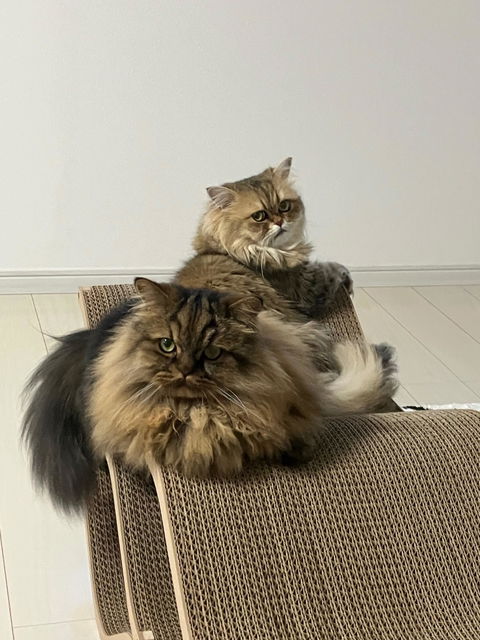
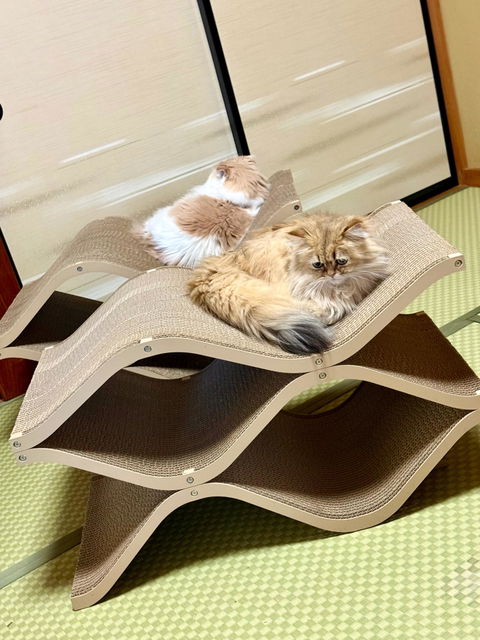
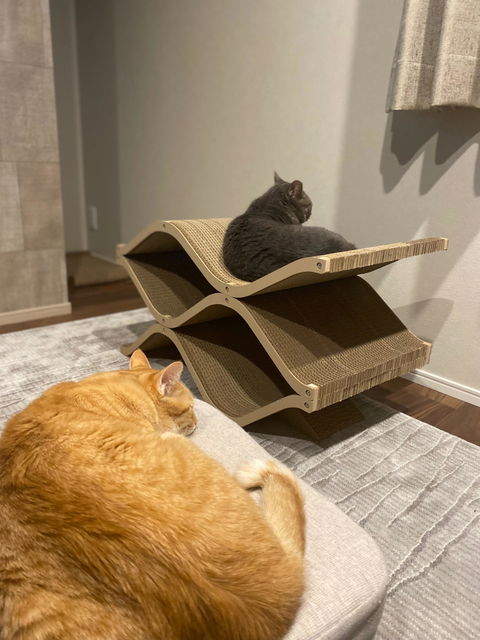
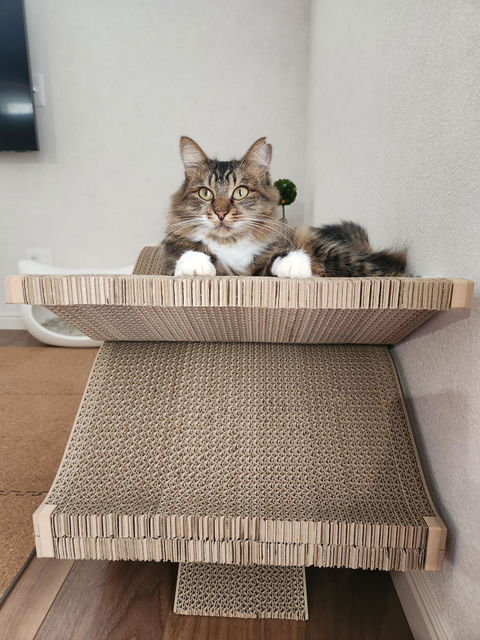
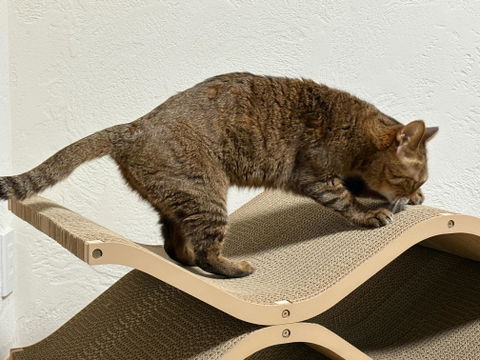
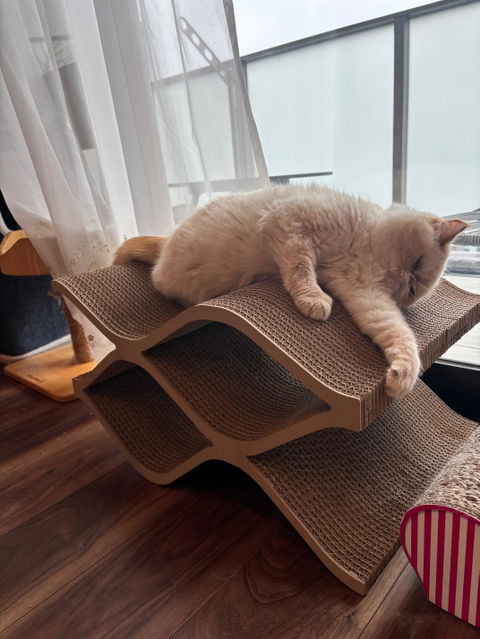
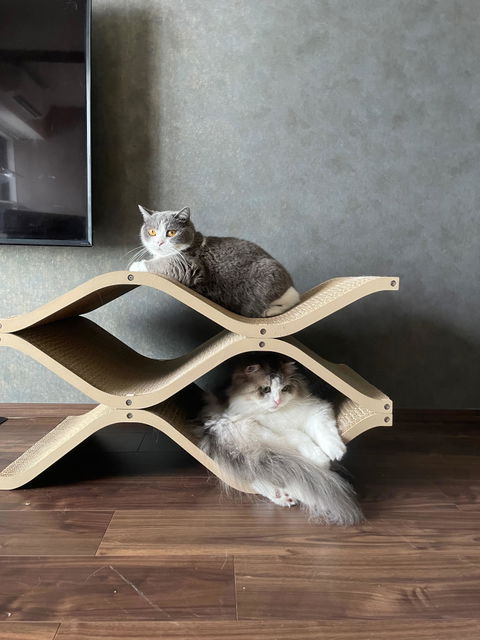
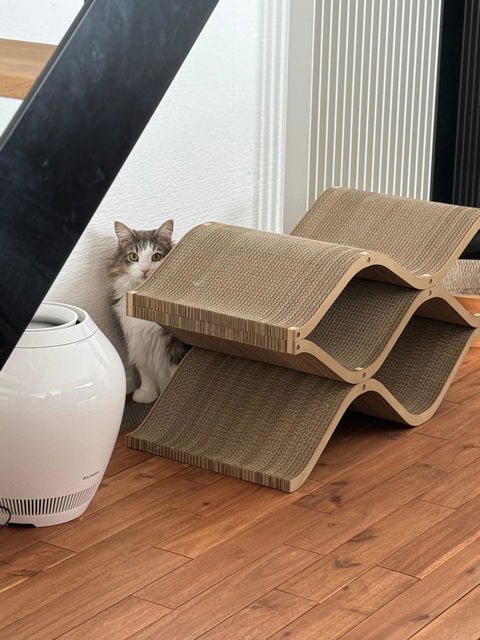
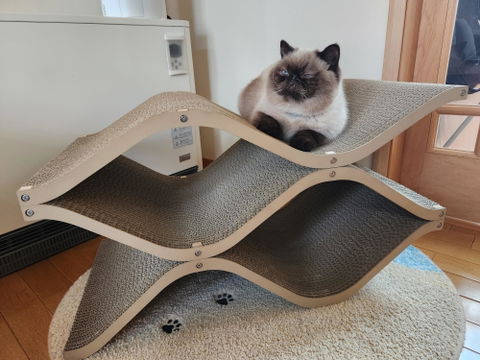
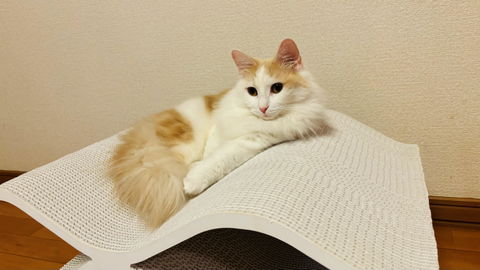
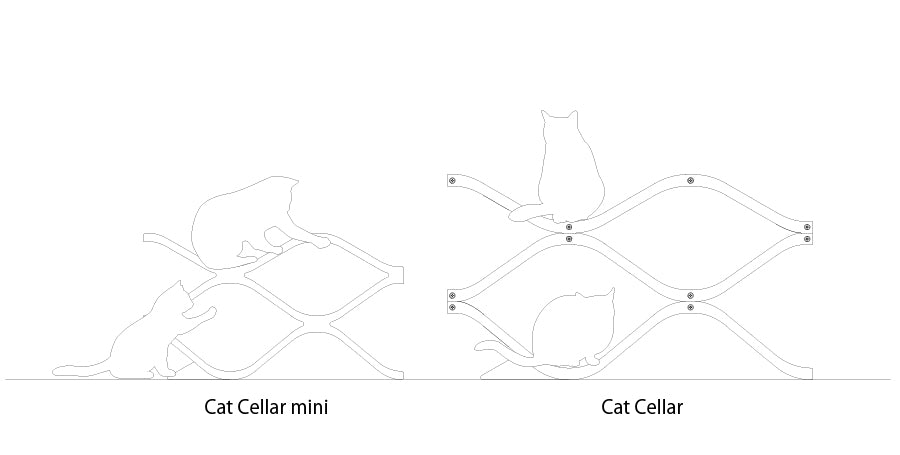
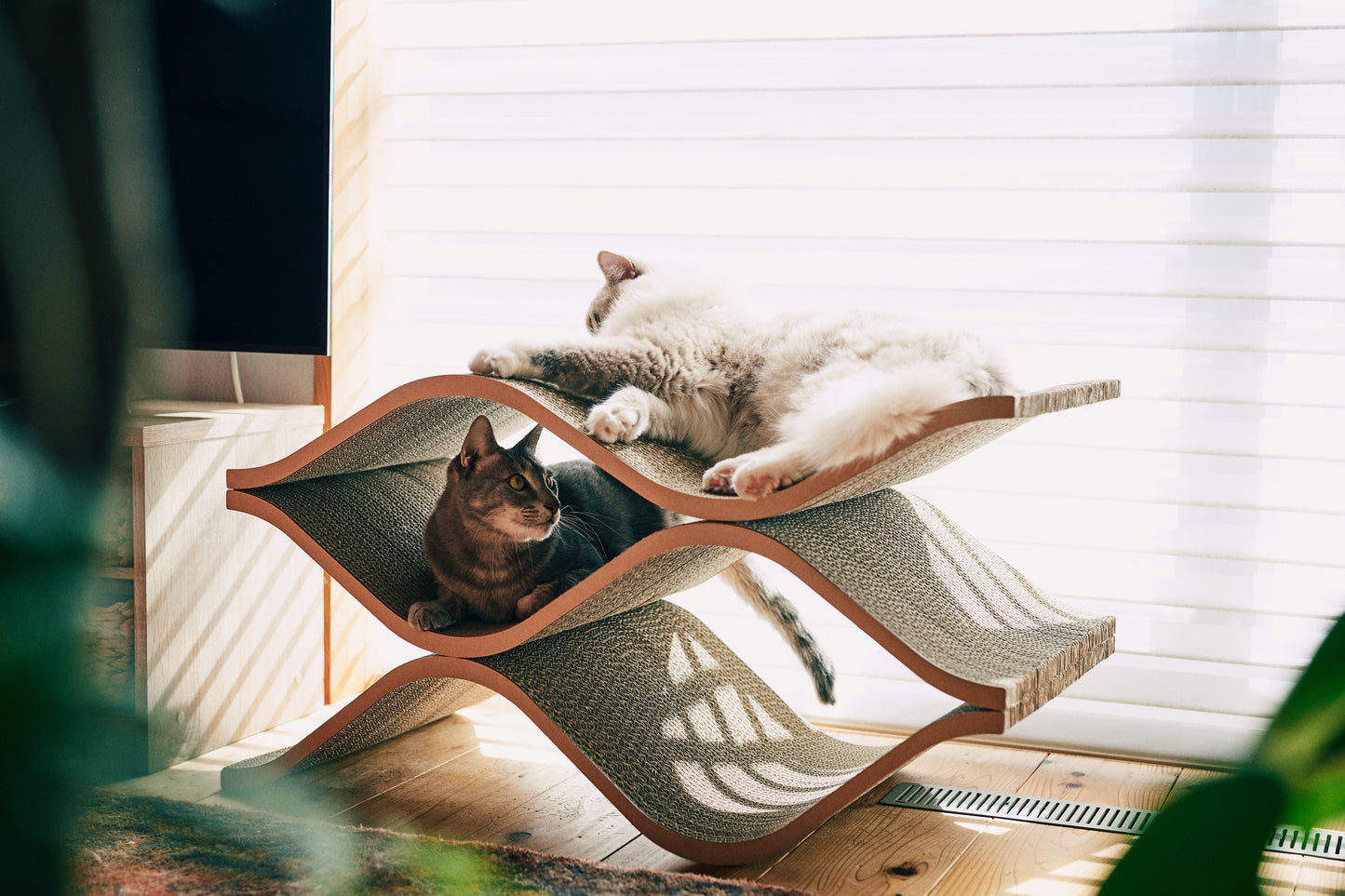
Japanese homes, which have long lived with cats, have always had "cat spaces" in each era. We hope you will choose Cat Cellar as a suggestion to create a small continuation of that tradition in your current home.

If you have any questions regarding how to use it, please feel free to send us a message via our official LINE. Our customer support staff will be happy to assist you.

Official LINE here

Back to Blog

※Reference: "Neko Kentei Official GuideBOOK Intermediate/Advanced Edition (New Edition)" p.116-119 (Supervised by Tadaaki Imaizumi, Sachi Hattori, Yaeko Takano)

Back to blog

CatSeller is chosen by many customers.