

ゴロゴロ、という低い音を聞きながら、こちらの肩の力まで抜けていく。猫を撫でているとき、飼い主の側まで穏やかな気持ちになれる、不思議な音です。実はこの音、猫自身の体のためにも働いているらしい、ということが近年の研究で少しずつ見えてきています。

猫のゴロゴロ音は長いあいだ、満足や甘えのサインとだけ理解されてきました。ところが猫をよく観察していると、怪我をしたときや出産の最中、場合によっては具合が悪いときにもゴロゴロと喉を鳴らしていることに気づきます。ただの幸福の表現と片付けるには、少し不思議な現象です。
米国のFauna Communications Research Instituteの研究者、Elizabeth von Muggenthaler氏は、イエネコと数種の野生ネコ科動物のゴロゴロ音の周波数を測定しました。その結果、イエネコのゴロゴロ音はおおよそ25〜150ヘルツの範囲で鳴っていることが分かっています。なかでも20〜50ヘルツあたりの周波数帯は、医療分野の振動療法で骨密度の向上や、こわばった筋肉の弛緩に用いられている帯域と重なっています。つまり猫の体からは、ヒトが機械を使って生み出している治癒のための振動と、よく似たものが常に発生していることになります。
この周波数帯を用いた振動療法は、骨折後のリハビリや関節炎の緩和、骨粗しょう症の予防、アスリートの筋肉ケアにまで応用されています。猫はそれを、スイッチを入れる必要もなく、電気も使わず、自分の喉一つでおこなっているわけです。考えてみると、とても省エネで賢い仕組みです。

長い休息を支えるための、進化の知恵
なぜ猫はこんな仕組みを持つに至ったのか。研究者のあいだでは、ゴロゴロ音は猫の長い休息時間と深く関係しているのではないか、という仮説が語られています。猫は一日のうちおよそ半分以上を、眠ったり休んだりして過ごす動物です。動かずにじっとしている時間が長ければ、どうしても骨や筋肉は衰えやすくなります。けれどゴロゴロ音による微細な振動が、カロリーをほとんど使わずに体を維持するための、省エネルギーな自己メンテナンスの仕組みとして働いているのかもしれない。そう考えられているのです。
体を休めるほどに、体が整う。猫という動物の静かな合理性が、あの低い音のなかに隠れていることになります。
だとすると、猫が安心して長く休める場所を用意してあげることには、見た目のくつろぎ以上の意味が出てきます。深く眠れること。その時間にしっかりとゴロゴロできること。それが猫自身の体を養う時間になっているのだとすれば、休む場所の質は、そのまま健康の質と地続きの話になるからです。

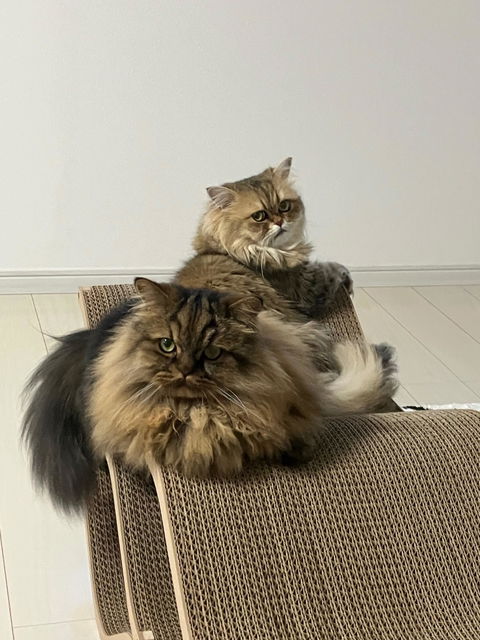
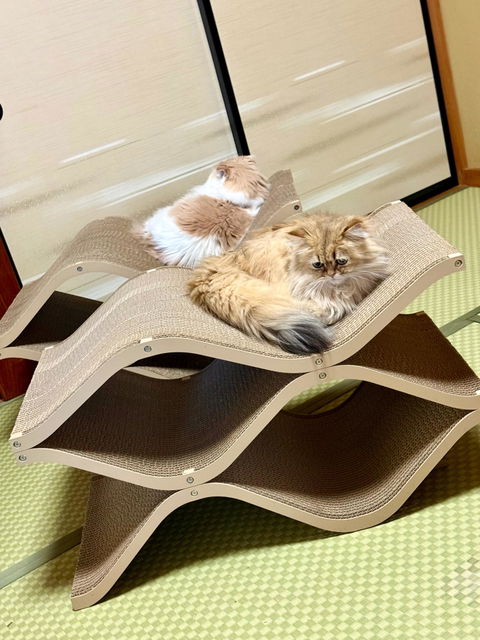
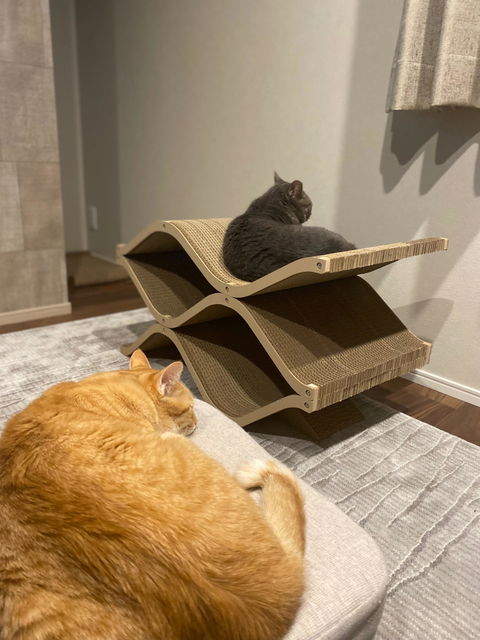
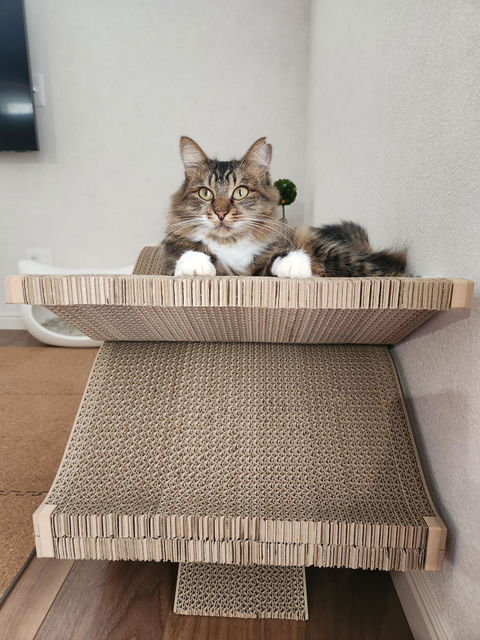
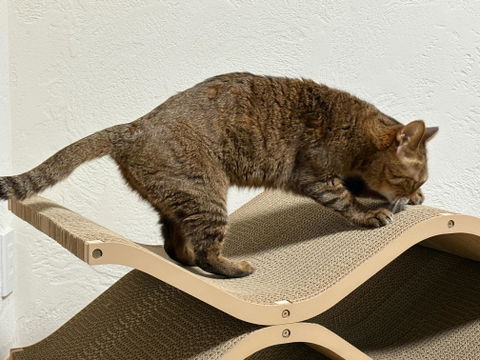
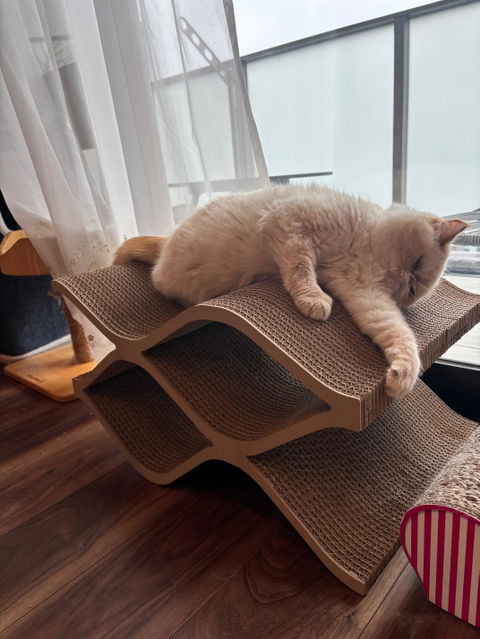
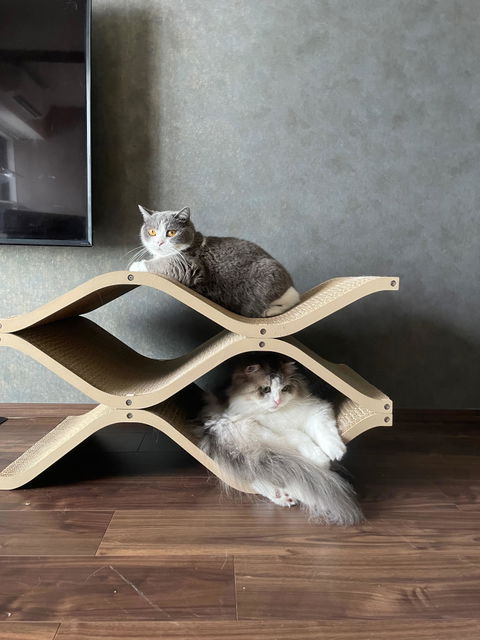
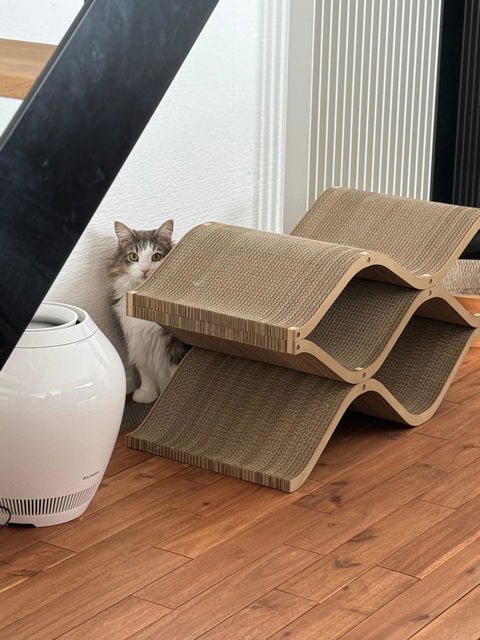
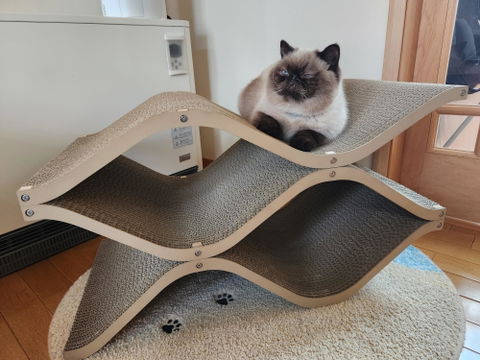
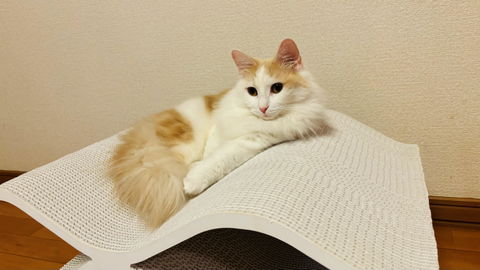
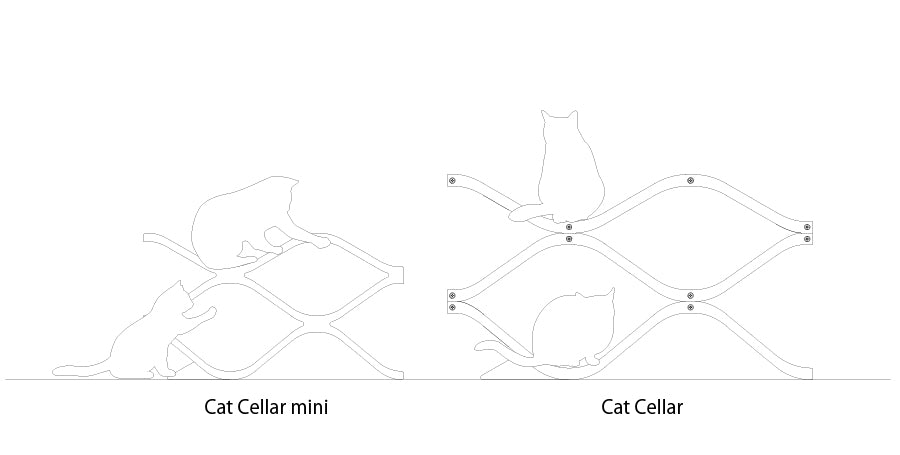
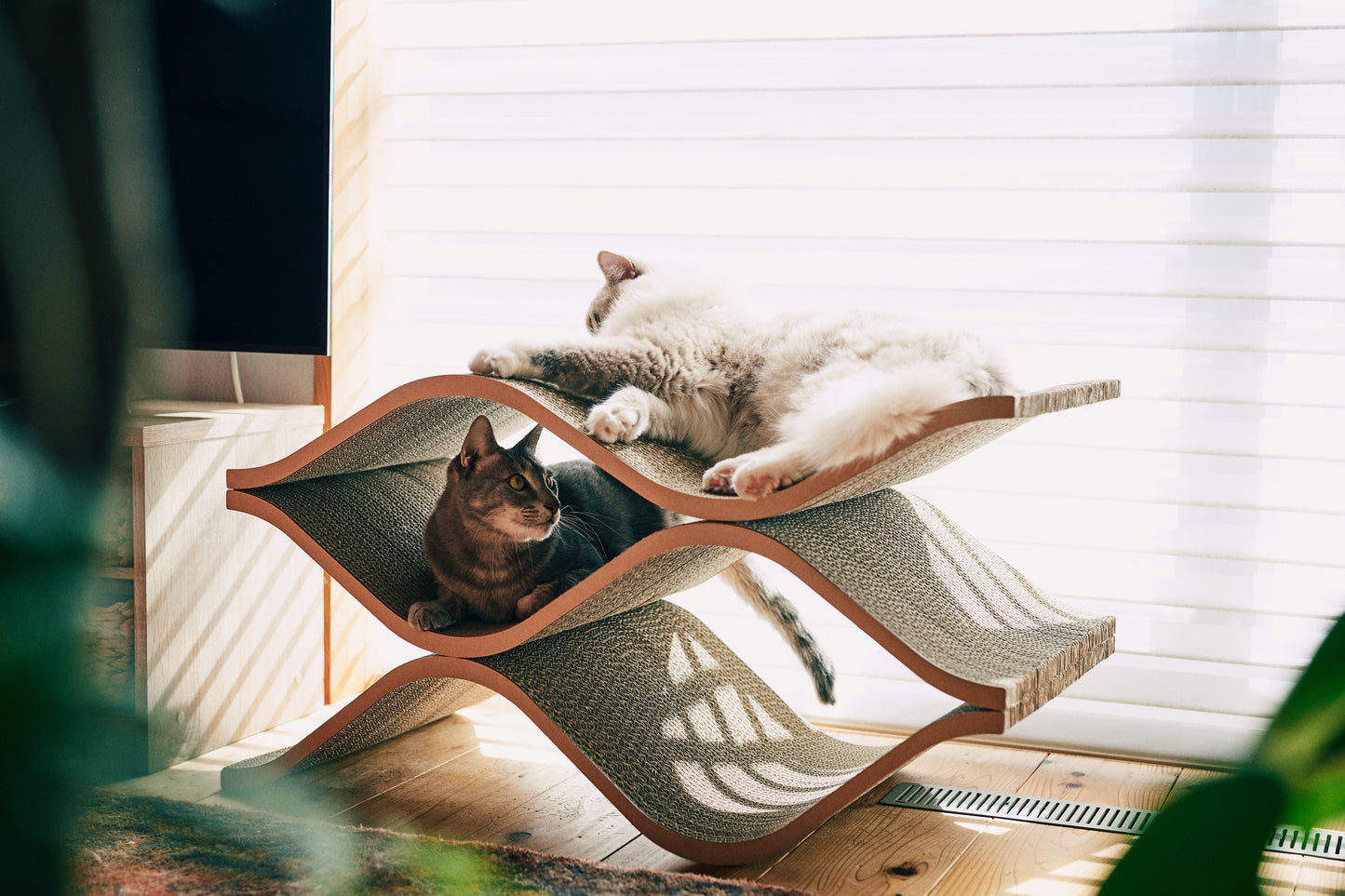
furnyaのCat Cellarは、獣医師でもある建築家が監修した、猫のための隠れ家兼爪とぎです。ワインセラーを思わせるウェーブ状の穴に体を預けると、周りの視線がやわらかく遮られ、肩や背中から余計な警戒がほどけていきます。強化ダンボールは熱を逃がしにくい素材ですので、丸まった姿勢のまま自分の体温に包まれる感覚も生まれやすいようです。穴のウェーブに沿って背中を預けたときの、ふっと力が抜けるあの瞬間を見ていると、こちらまで呼吸が深くなります。「気づくと一日の大半をここで過ごしている」そういったお声を、お客様から届けていただくことが増えてきました。
猫が自分の体を自分で整えながら暮らしていく時間が一日のうちに少しずつ増えていってほしいと考えています。一日の半分を猫が預ける家具、そんな穏やかな時間の流れのなかに、Cat Cellarを迎え入れていただけたら幸いです。
使い方に関して質問がある方はお気軽に公式LINEからメッセージ頂けますと幸いです。お客様担当のスタッフが回答させて頂きます。
※参考:von Muggenthaler, E. (2001). The felid purr: A healing mechanism? The Journal of the Acoustical Society of America, 110(5), 2666.







![[10%off] Cat Cellar & Cat Cellar mini set](http://furnya.myshopify.com/cdn/shop/files/ChatGPT_Image_2026_7_14_10_47_09.png?v=1784117296&width=1445)
![[10%off] Cat Cellar & Cat Cellar mini set](http://furnya.myshopify.com/cdn/shop/files/ChatGPT_Image_2026_7_22_13_58_41.png?v=1784696340&width=1445)
![[10%off] Cat Cellar & Cat Cellar mini set](http://furnya.myshopify.com/cdn/shop/files/custome.png?v=1784660252&width=1445)