猫の7歳は人間の44歳。壮年期から考えたい、家具選び。

A 7-year-old cat is 44 in human years. Let's think about furniture choices from their middle age.

They say that a 7-year-old cat is roughly equivalent to a 44-year-old human. Even if they still seem energetic, it's said that their "prime of life" is slowly beginning within their bodies.

The "Neko Kentei Official Guide BOOK for Beginners" clearly organizes the age conversion between cats and humans. It suggests that one year for a kitten is equivalent to 15 human years, two years to 24 human years, and after that, approximately 4 human years are added for each cat year. A 7-year-old cat is roughly 44 in human years, a 10-year-old is around 56, and a 15-year-old reaches 76. The same book divides a cat's life into four stages: "Kitten (~1 year old)," "Youth (1-6 years old)," "Prime (7-10 years old)," and "Senior (11+ years old)." A characteristic described for the prime of life is "a gradual decline in physical abilities."

Comparing this to a human in their 40s makes it a little easier to grasp. It's not that they can't run up the stairs, but it's probably no longer the "effortless movement" it once was. This might be the equivalent stage.

In "Neko Kentei Official Guide BOOK for Intermediate and Advanced Levels," changes associated with aging are introduced in the sections on joints and gestures, such as "disliking jumping," "hesitating on stairs," and "increased sleeping time." It's important to note that these changes don't necessarily appear all at once in old age. Instead, they seem to gradually accumulate during the prime of life, and one day you might realize, "Maybe they haven't been climbing to the top of the cat tower lately."

Cats are inherently said to be animals that don't show their discomfort easily. Even if they seem fine, they might be quietly re-evaluating their "usual spots" in their own way. The book also mentions that cats tend to spend more time sleeping as they age. The image is that kittens repeatedly play and sleep, their activity peaks in their youth, and from their prime, the proportion of "rest time" gradually increases. If this is the case, then preparing resting places that are "easy to enter and comfortable" will likely become the foundation for supporting their future life.

It's said that making significant changes to a cat's living environment once they enter their senior years can be quite stressful for them. The book's "Four Stress Factors" lists changes in the living environment itself as a typical source of stress, and the chapter on senior cats introduces creating an environment that puts as little strain on their bodies as possible, such as "easy access to beds," "reducing steps," and "non-slip flooring." For cats, it will likely be an easier choice to keep things they've used since they were young rather than making them get used to new furniture after they've aged.

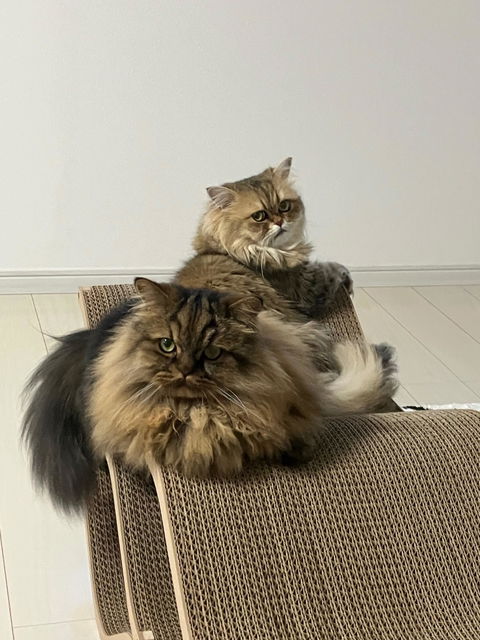
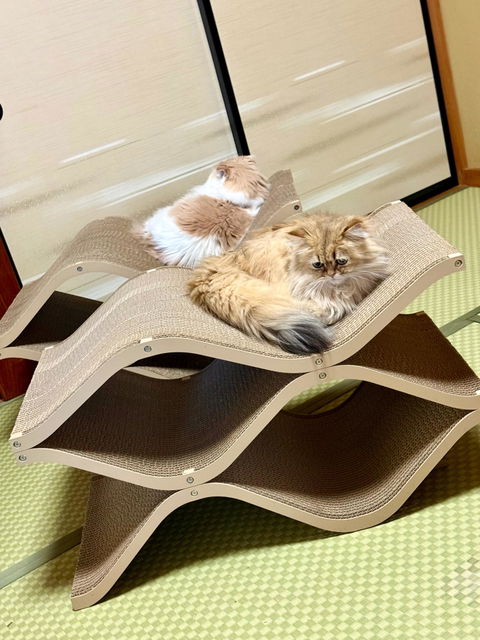
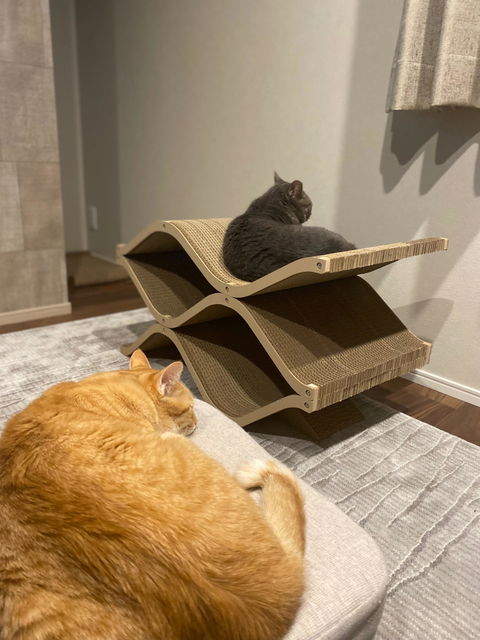
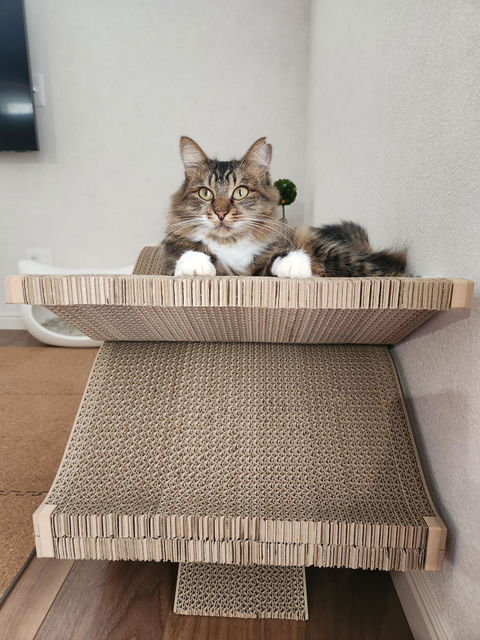
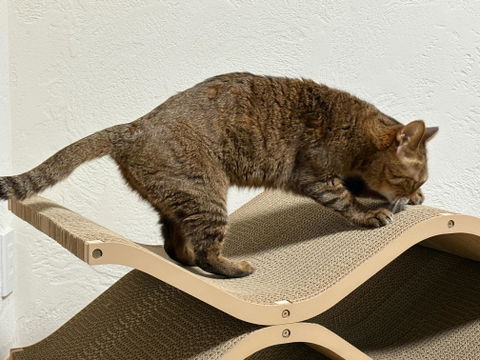
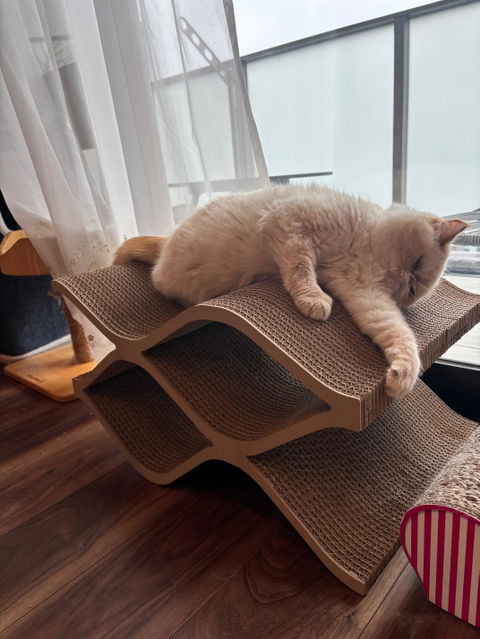
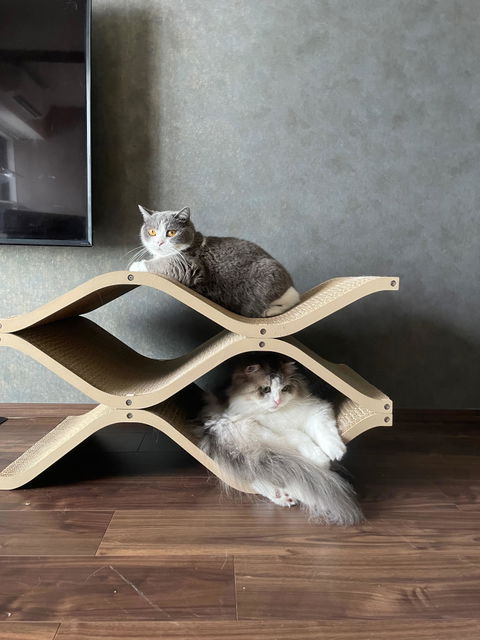
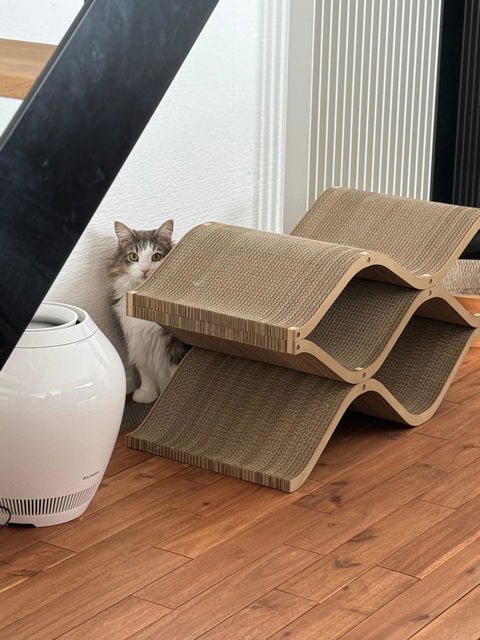
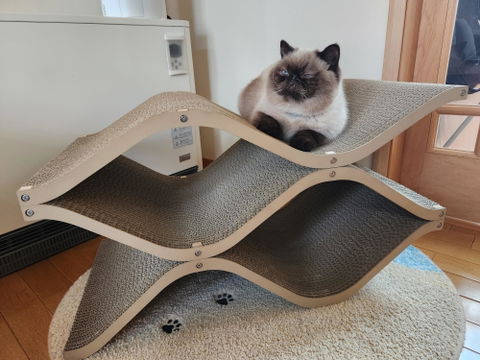
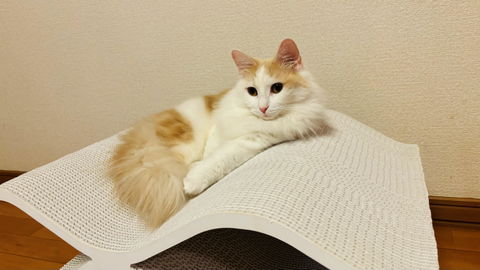
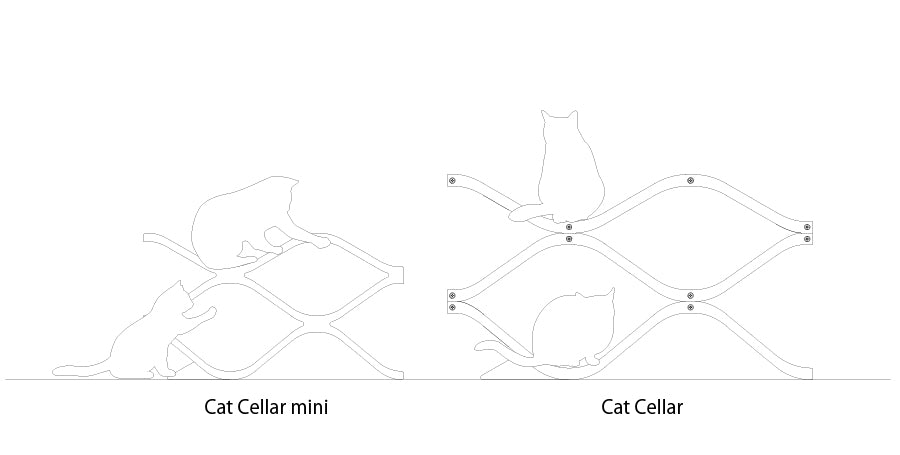
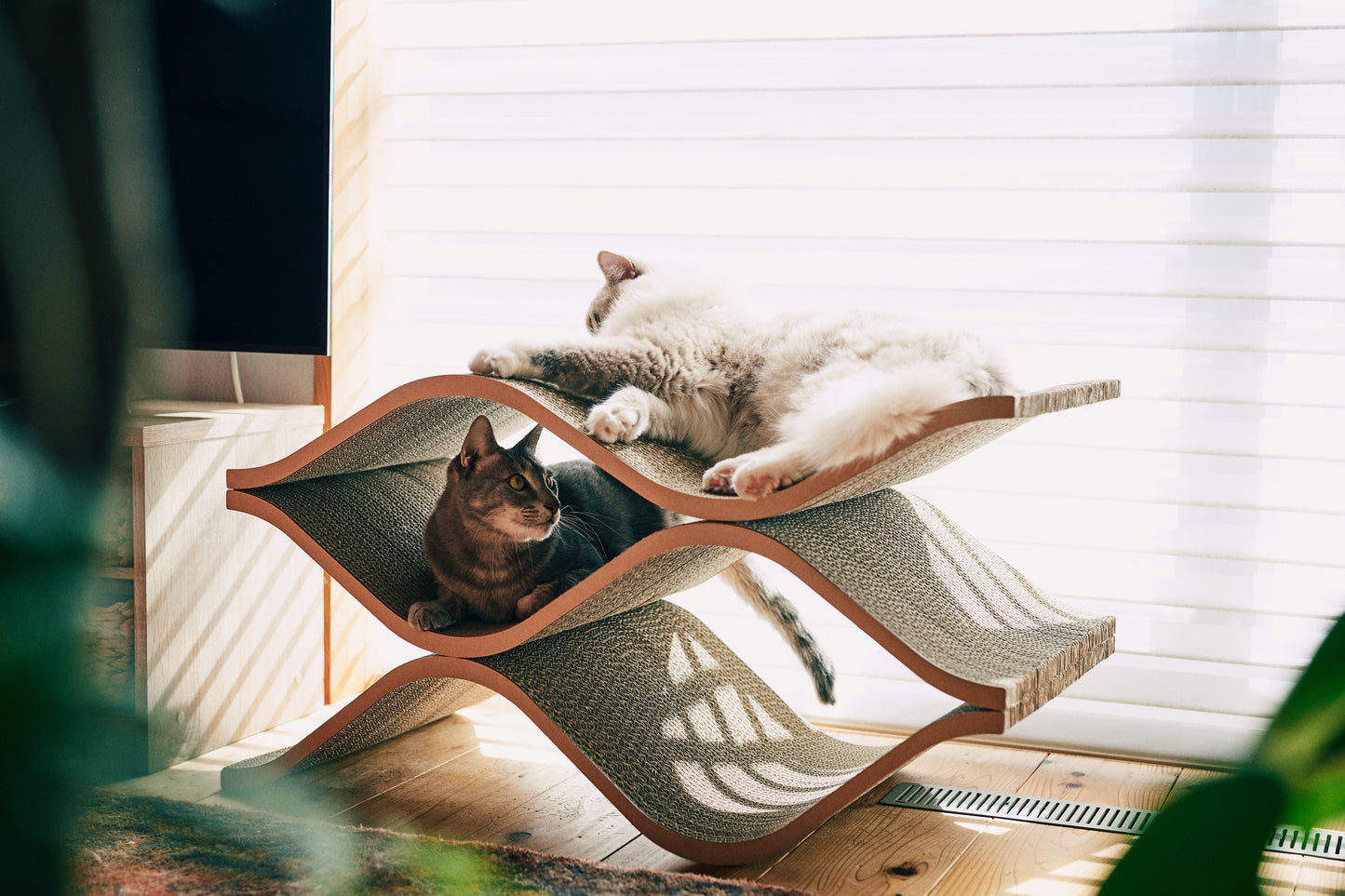
By adding a low-level resting place around 7 years old, when they are entering their prime, the burden of their life for the next 10 or 15 years could gradually change. The Cat Cellar is a long-lasting item that young cats can continue to use as a scratching post and hiding place, and can naturally remain a comfortable spot even as they age. When you're unsure about the timing of adoption, we hope you'll consider "how many years you'll spend together in the future" rather than their current age.

If you have any questions regarding how to use it, please feel free to send us a message via our official LINE. Our customer service staff will be happy to answer you.

Click here for official LINE

Return to blog

*References: Neko Kentei Official Guide BOOK for Beginners (New Edition) pp. 38-39 "A Cat's Life," "Cat and Human Age Conversion" / Neko Kentei Official Guide BOOK for Intermediate and Advanced Levels (New Edition) pp. 86-87 "Signs of Aging," pp. 90-91 "Care and Environment Creation for Senior Cats"

Back to blog

CatSeller is chosen by many customers.